Village Extension Masterplanning & Design for New Development
In this article, Nigel Taylor, Associate at Taylor Roberts, shares lessons from more than 30 years of designing village extensions and rural housing schemes across the South East.
Why Masterplanning And Design Are Central to Successful Village Extensions
Local Planning Authorities place increasing importance on how schemes respond to landscape, character, and connections to the surrounding area.
For this reason, early masterplanning and thoughtful design lay the groundwork for a village expansion that is more likely to gain support and easier to deliver.
This means setting a clear masterplan framework before testing housing numbers or highway layouts, rather than retrofitting a design once technical parameters are fixed.
What Makes a Village Extension Different from a Housing Estate
Housing estates are often designed as inward-looking layouts and can feel repetitive, while village extensions are shaped by their context.
Experienced architects arrange streets, blocks, and open spaces to reinforce existing connections. This helps new development read as a continuation of the village rather than a separate housing parcel at its edge.
Understanding the Existing Village Before Planning Expansion
Successful village expansion starts with a clear understanding of how the village functions and how it sits in its wider setting.
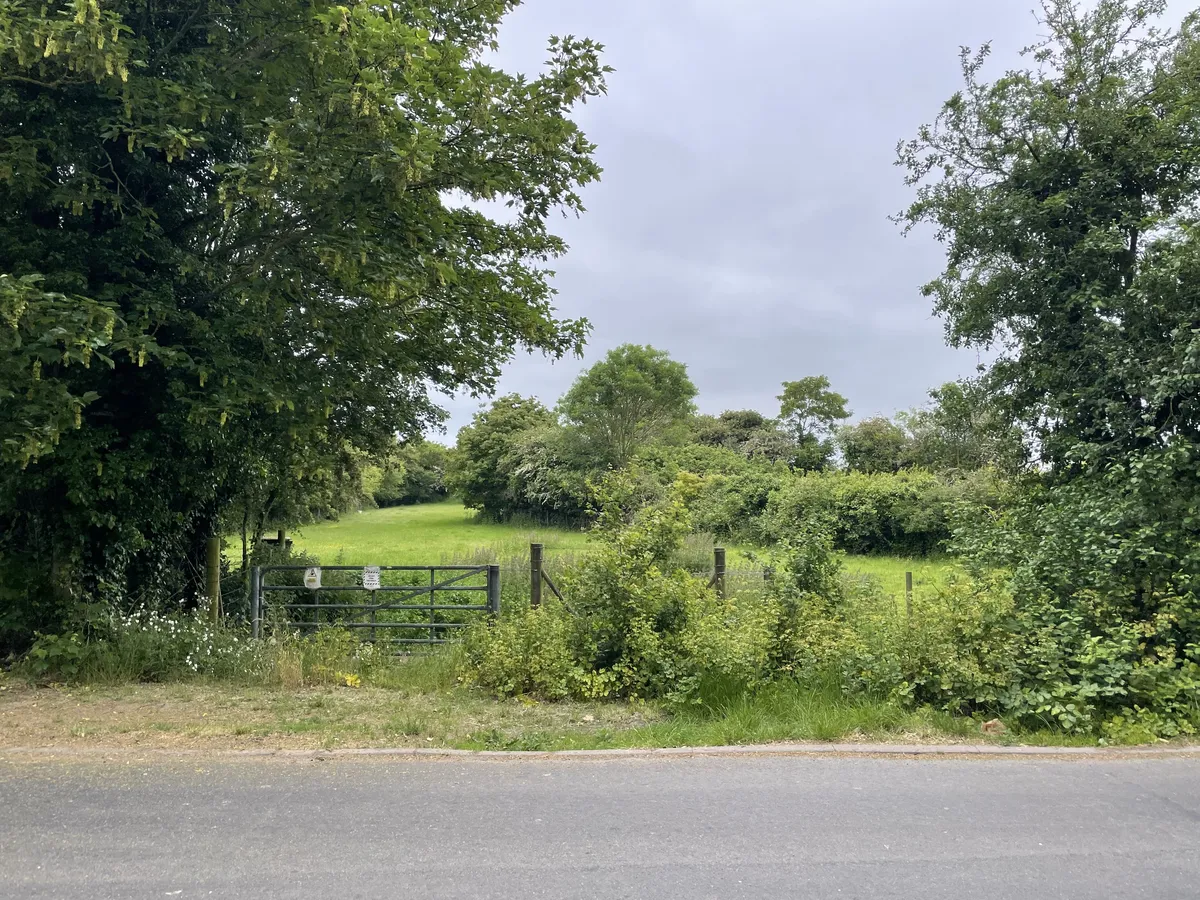
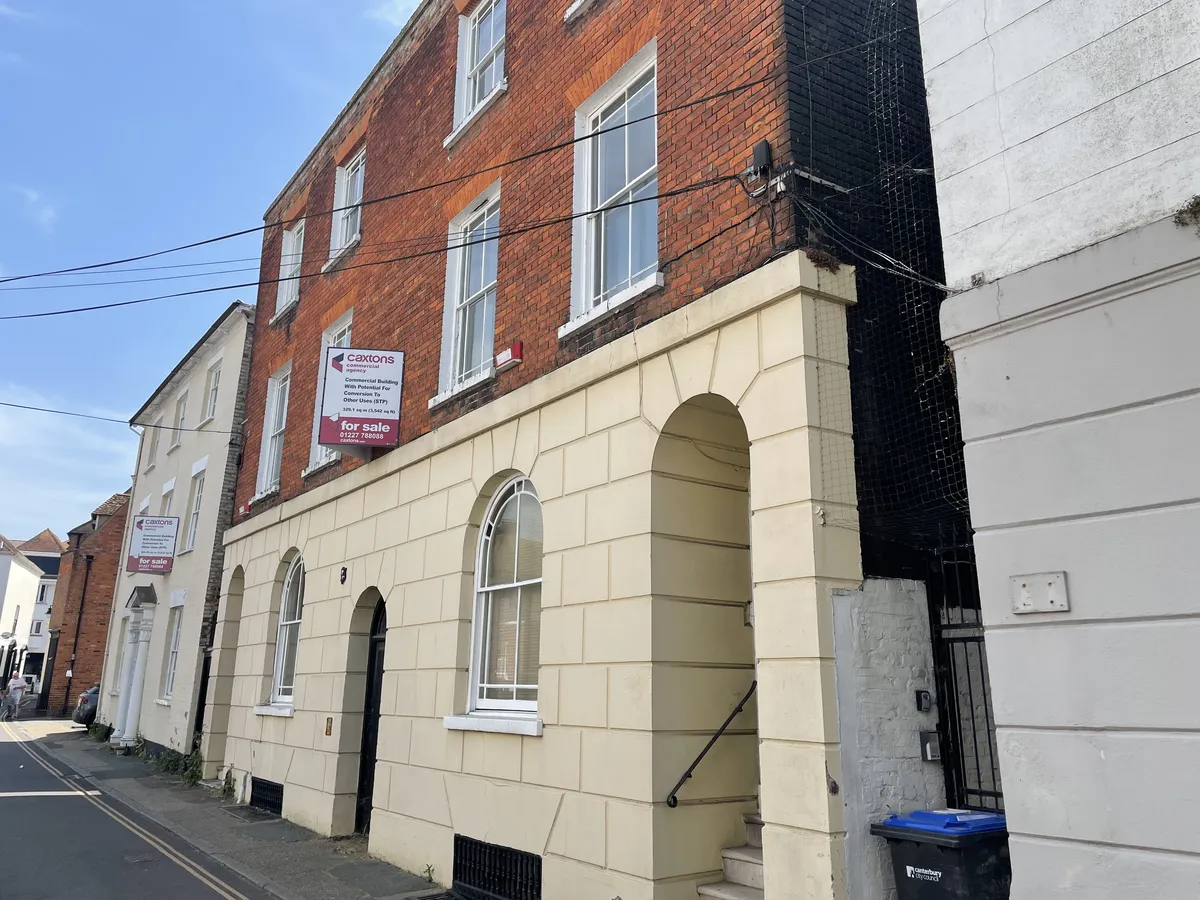
Before drawing a layout, it is important to assess how the settlement relates to its landscape and physical constraints, including flood risk and ground conditions. Where possible, developers should consider brownfield sites rather than greenfield land, as these are often more sustainable and better supported locally.
Protected landscape designations such as Areas of Outstanding Natural Beauty (AONB), Sites of Special Scientific Interest (SSSI), Ancient Woodland, and Green Belt land can influence where development is appropriate and how it should be shaped.
Legal and ownership constraints also play a role. Existing access rights, shared services, or title restrictions can limit where buildings, roads, or future connections can be placed.
Practical considerations matter just as much. Transport and highway links to nearby towns and villages affect how new development fits into day-to-day movement. While capacity in local services and infrastructure - such as foul drainage, schools, healthcare, and community facilities - helps determine how much growth a settlement can reasonably support.
Finally, the way a village has grown over time offers clear design clues. Some settlements have developed along a main road, others around a historic centre, while many have expanded gradually at the edges. These patterns help guide scale, layout, and how new development should connect back into the village.
.webp)
Defining the Village Edge
How a village meets the surrounding countryside is one of the most sensitive aspects of a village extension.
A well-designed village edge usually brings together buildings and landscape.
Built form can define a clear boundary, while planting, green buffers, and open space help soften the change from village to countryside.
Where schemes rely only on rear gardens or exposed boundaries, the edge often feels weak or unresolved.
Taking a landscape-led approach helps new development sit more naturally in its setting. It avoids abrupt changes in character and helps village extensions feel complete, rather than like a temporary add-on.
Masterplanning the Spatial Structure of a Village Extension
A clear spatial structure is essential. In Nigel’s experience, edge-of-village schemes are often refused at planning committee and appeal when the design doesn’t address issues such as footpath connections and street lighting.
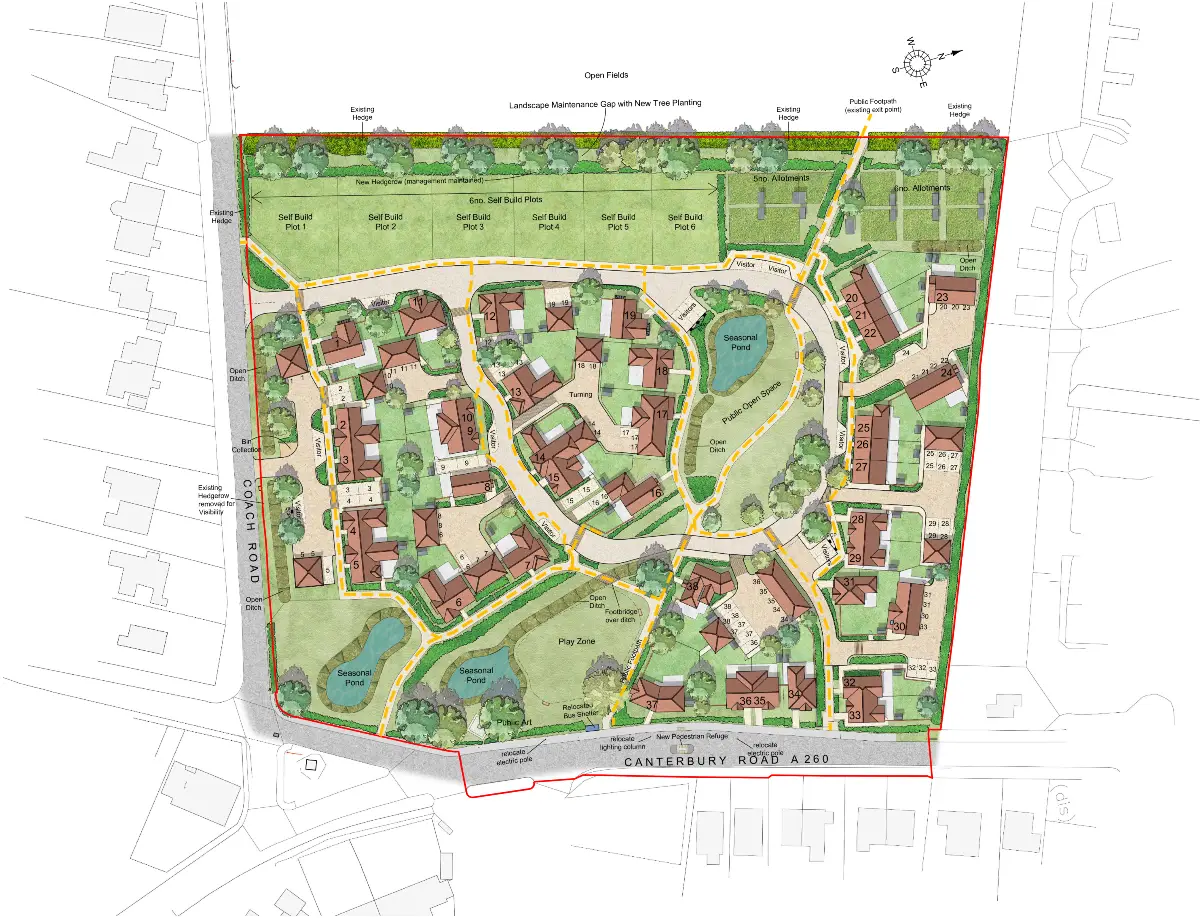
Early masterplanning helps manage these risks by setting out a street hierarchy and block structure from the outset, so buildings, movement, and landscape work together.
Streets should be designed as places in their own right, supporting walking, social interaction, and everyday movement, rather than working only as access routes for cars. Suburban-style design and cul-de-sac arrangements can feel out of place in rural areas.
Allowing routes to follow natural paths people are likely to use - towards the existing settlement, schools, shops, and bus stops - helps make schemes feel intuitive and well-connected, rather than disjointed or “stitched together.”
Using Landscape to Shape Rural Masterplanning
Landscape should help structure the extension’s layout.
Existing features such as hedgerows, trees, watercourses, and changes in level can guide where streets, plots, and open spaces sit, while elements like green corridors, village greens, and edge landscapes help link new development back to its surroundings and soften the transition to the countryside.
Where landscape is treated as an afterthought, open space is often squeezed in around roads or at the edges of plots, leaving areas that feel token and underused.
Managing Density, Scale, and Transition at the Village Edge
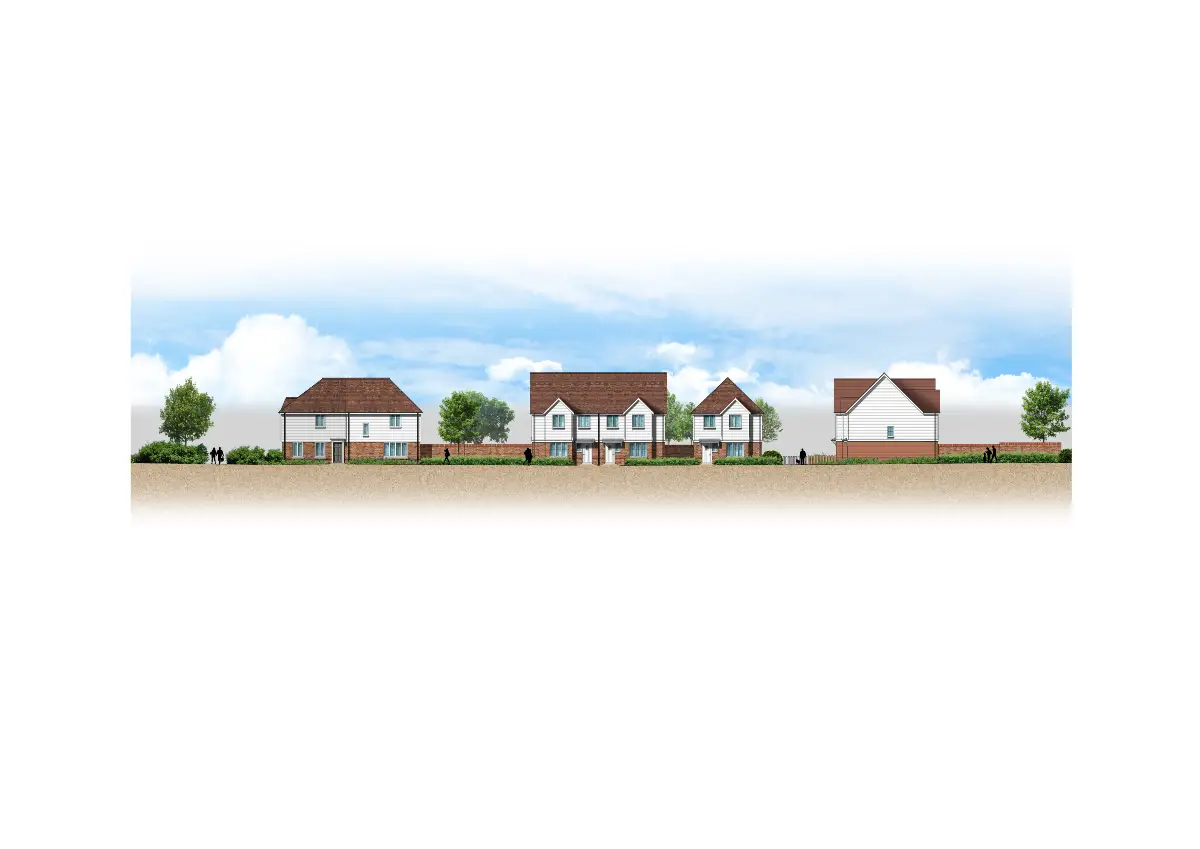
Density should change gradually from the village towards the countryside, reflecting how settlements have typically grown over time and helping soften the transition from built form to open landscape.
This can be achieved through a mix of building types, plot sizes, and spacing, rather than relying on a single housing model across the whole site.
Building height, massing, and roofscape also play an important role, especially if new development is visible from the surrounding countryside.
Architectural Character in Village Extensions
New development needs to fit in its context without replicating historic buildings or past styles, which can result in pastiche.
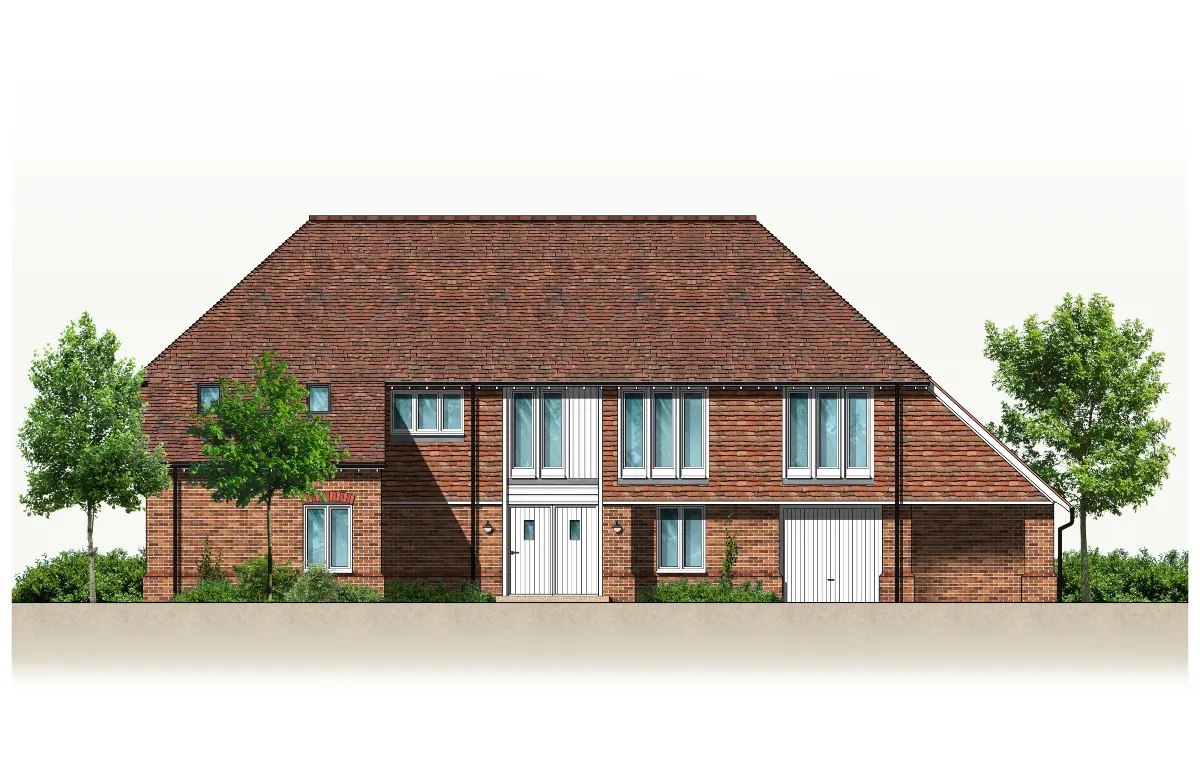
Instead, design should take cues from local heritage in terms of scale, materials, and roof forms. This allows contemporary architecture to feel grounded in its surroundings while remaining clearly of its time.
Subtle changes in form, detailing, and materials can add interest to the scheme, preventing it from looking flat or overly repetitive while still keeping a clear overall character.
Using Housing Mix to Shape a Village Expansion
Integrating affordable housing in the layout is key to creating a cohesive place.
When different types of homes are distributed throughout the scheme and designed to the same standard, the development reads as a single, unified extension of the village.
Designing Public Realm and Social Spaces in New Development
Well-designed public spaces encourage people to meet and interact. Small greens, shared courtyards, and seating areas support everyday encounters, helping new development feel lived-in and connected.
Clear boundaries between public, shared, and private spaces make spaces feel safer, easier to maintain, and more comfortable to use, helping the scheme age well.
Phasing a Village Extension Without Creating Fragmented Development
Most village extensions are built in phases, so important to think about both temporary and permanent edges from the outset. Each phase needs to work as a complete place.
Early phases should avoid leaving exposed backs, incomplete streets, or awkward boundaries that can undermine how the development looks and works during construction.
Layouts that only come together once everything is built tend to cause problems during delivery.
Design Codes in Housing Schemes
Setting design codes can help keep quality consistent when village extensions are built in phases or by more than one builder.
These work best when they focus on the elements that shape the place, rather than trying to control every detail. The key is deciding what needs to be fixed and where there’s room for flexibility.
Street hierarchy, building lines, heights, key materials, and landscape structure are usually worth setting early, as these define the scheme’s overall character. Other details, such as architectural styling or internal layouts, can vary without affecting overall quality.
Lessons From Built Village Expansion Schemes
Well-planned village expansion schemes tend to share the same foundations: early understanding of constraints, a clear masterplanning framework, and continuity from concept through to delivery.
Experience plays a key role in achieving this. Architects with a proven track record in village extensions are better placed to anticipate planning, landscape, and delivery challenges early.
At Taylor Roberts, we support developers with planning-led masterplanning and design advice for village extensions and rural housing schemes across the South East. From early site appraisal and concept masterplanning through to detailed design and delivery, our approach focuses on creating a coherent, deliverable village expansion that stands the test of time.
Nigel Taylor brings more than three decades of experience in this field. He is based at Taylor Roberts’ Canterbury office. Call 01227 457 545 or email him at hello@taylorroberts.co.uk to discuss your project.
Contact our team today for expert property advice - book now for free.
Architectural Insights
Insights, updates and ideas from the studio - here’s what we’ve been writing about lately.