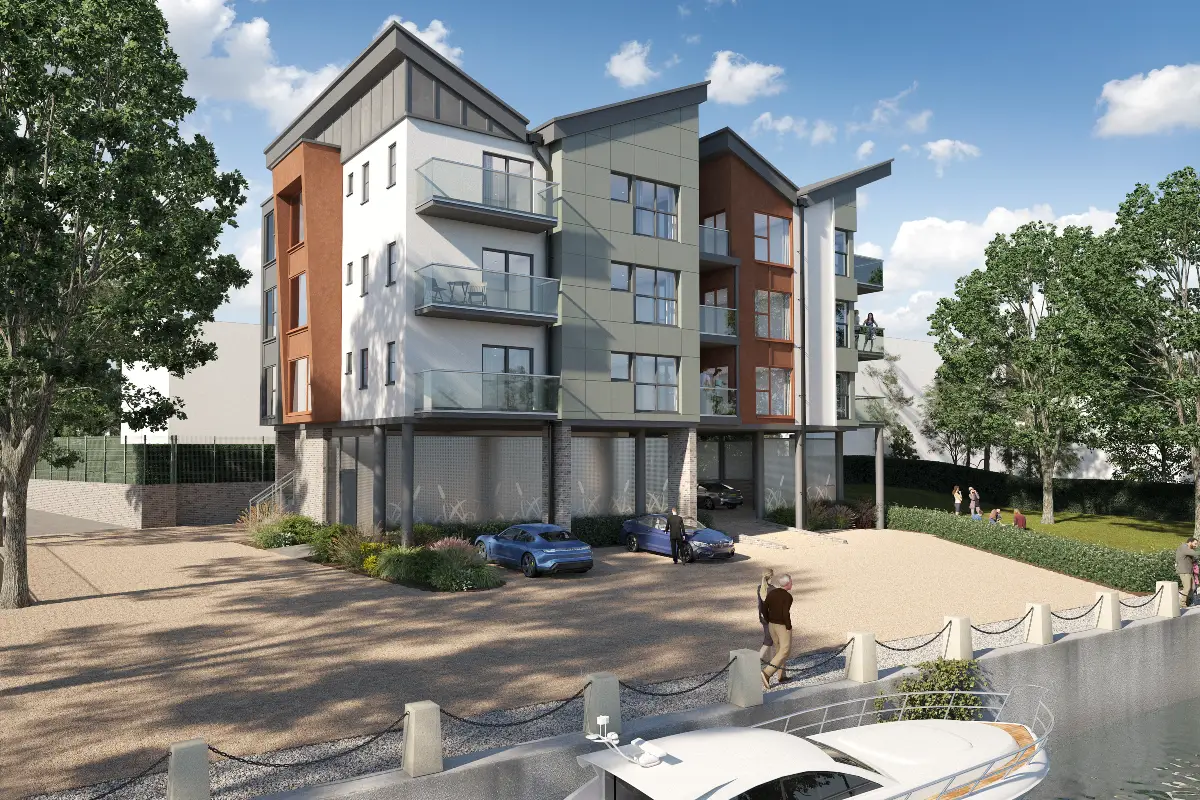
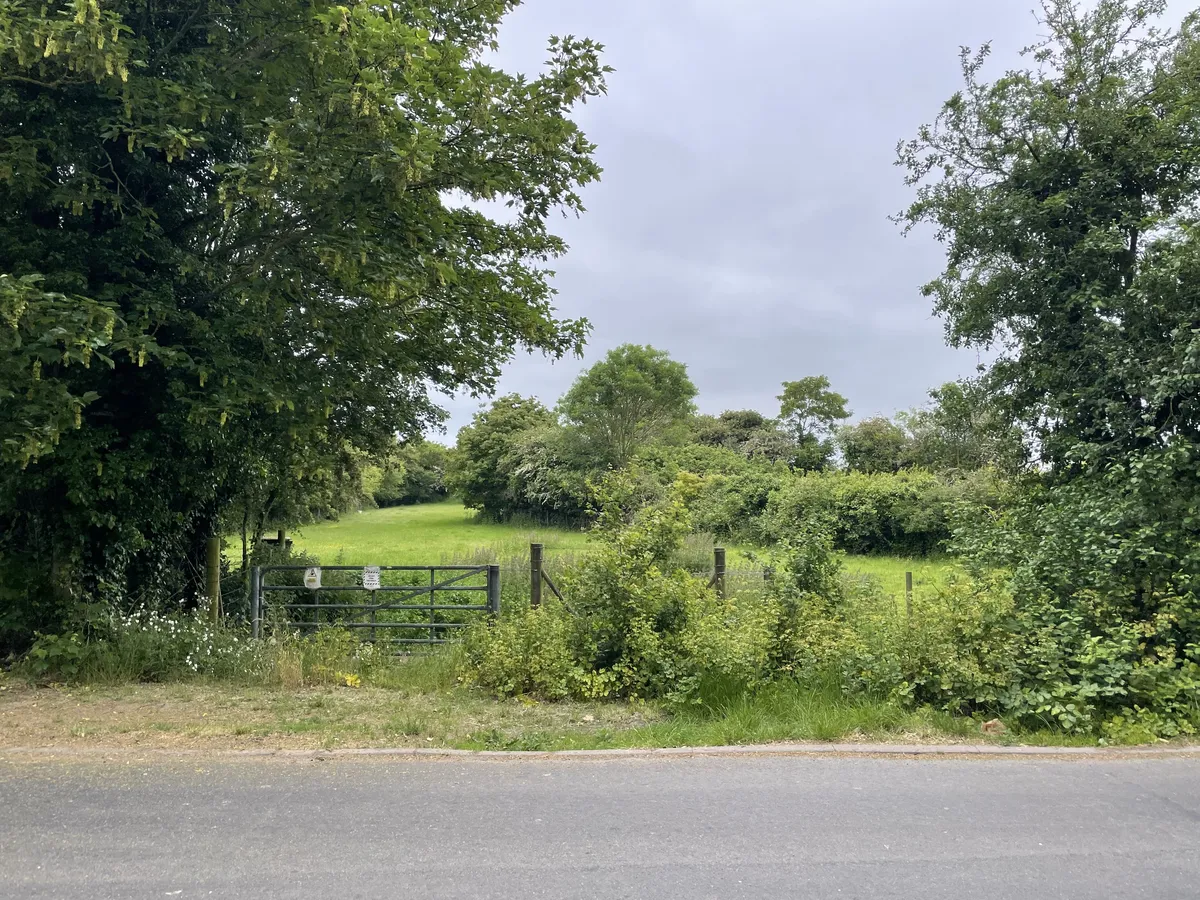
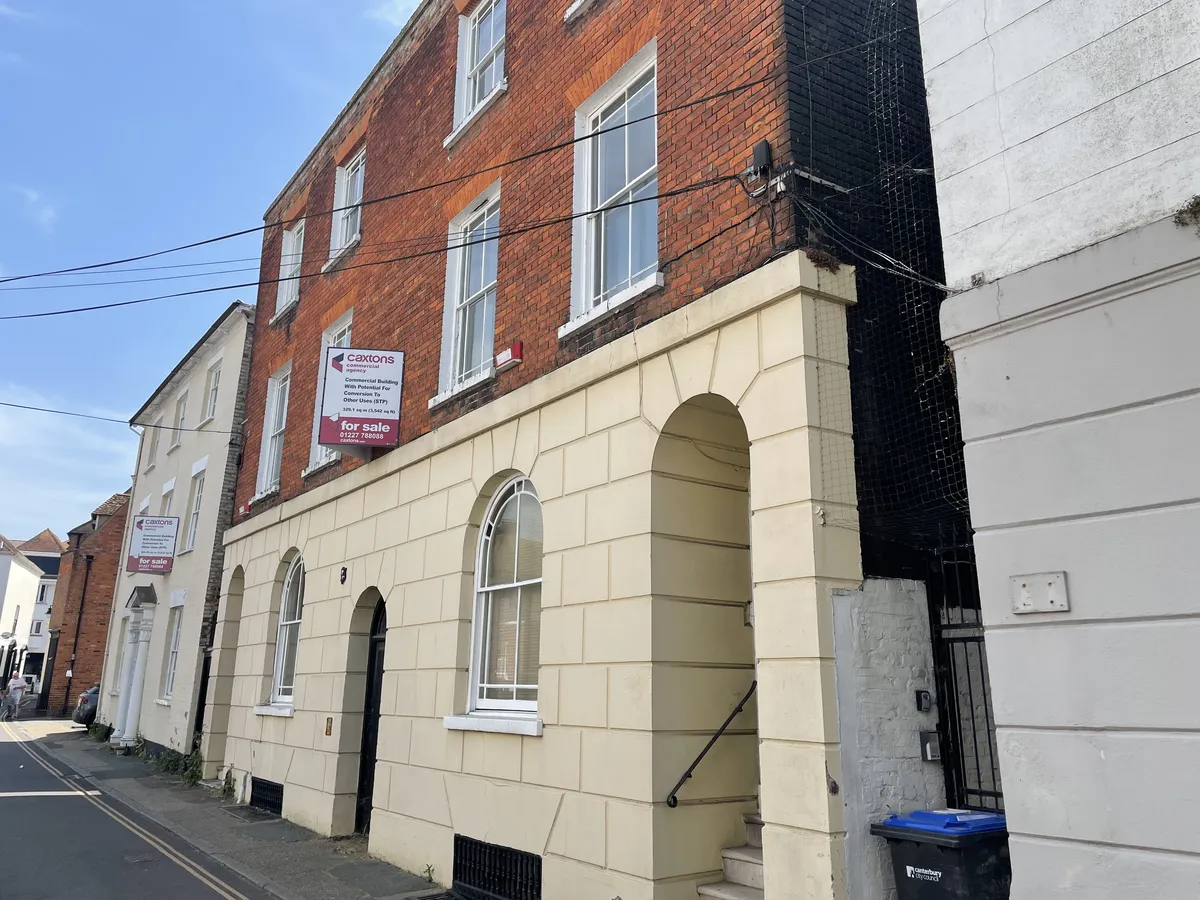
Planning A New Build: The Keys to a Successful Home Application

Securing planning approval is one of the most critical stages of a new build project.
As Local Planning Authorities face tighter scrutiny and longer decision times, poorly prepared schemes are increasingly vulnerable to delay or refusal.
For small developers, careful early planning is the key to moving from concept to consent with confidence.
In this article, Nigel Taylor, Associate at Taylor Roberts, shares practical insights drawn from decades of experience guiding new-build projects through the planning process.
Understanding The Planning Landscape For A New Build
Every home application sits within a layered planning framework. Many refusals stem not from poor design but from subtle, significant policy conflicts.
Understanding how national, local, and site-specific requirements interact before design begins is essential.
National policy
New construction homes must comply with the National Planning Policy Framework (NPPF), which sets the overarching principles for housing delivery and design quality.
All proposals must demonstrate:
- A clear planning justification for residential development
- Efficient use of land without overdevelopment
- High-quality, context-led design
- Protection of sensitive environments and historic settings.
Schemes that appear generic or poorly integrated with their surroundings are at greater risk of refusal, even if they meet basic policy requirements.
Local policy
While national policy provides the framework, Local Plans determine how it is applied in practice. These documents define where development is supported, restricted, or resisted.
Key local policy tools include:
- Settlement boundaries, which control where new homes are acceptable
- Housing allocation policies and spatial strategies
- Design codes and character assessments, which influence scale, form, materials, and layout.
If a site falls outside a settlement boundary, additional justification is usually required. Equally, sites within settlements are not automatically suitable for development if proposals conflict with local character or design guidance.
Site-specific constraints
Even with policy support, site conditions ultimately determine whether development is feasible and how it must be designed.
Common key constraints include:
- Green Belt, where new housing is generally inappropriate unless specific exceptions apply
- Grey Belt, where previously developed land may offer opportunities, but still requires careful justification
- Areas of Outstanding Natural Beauty (AONB), where landscape impact and visual harm are critical considerations
- SSSIs and Ancient Woodland, which impose strict protection and buffer requirements
- Heritage assets, including listed buildings and their settings, even where the site itself is not designated.
These constraints don’t automatically rule out development, but they do increase the council's level of scrutiny. Planning applications must clearly demonstrate how harm has been avoided or minimised and why the proposal remains acceptable in policy terms.
Site Appraisal: The Foundation Of A Strong Planning Application
The site appraisal should establish what the land can realistically support in planning terms. This involves assessing several factors that directly shape the proposal.
Access And Visibility
New homes must provide adequate visibility splays, turning areas, and servicing arrangements for refuse and emergency vehicles. On infill or backland plots, access is often the primary reason schemes fail, particularly where narrow lanes, shared driveways, or poor sightlines are involved.
Flood Risk And Drainage
Flood zones, surface water flow paths, and ground conditions directly influence site layout and buildable area. Even sites outside mapped flood zones may face drainage constraints, especially in areas with clay soils or limited connections to mains infrastructure.
Trees And Ecology
Root protection zones, tree canopies, and ecological buffers must be respected when positioning buildings, access routes, and services. Sites near woodland, watercourses, or older structures may also require ecological surveys, which can influence layout, timing, and mitigation measures.
Neighbouring Amenity
New homes must be designed so they do not negatively affect neighbours. Careful consideration of privacy distances, window placement, building height, and orientation helps prevent objections related to overlooking, loss of light, or an overbearing impact.
Context, Massing, And Development Grain
The surrounding buildings help indicate the size and amount of development that is likely to be acceptable. Plot sizes, building heights, spacing, and roof forms should inform what will sit comfortably within the area.
Pre-Application Strategy
Pre-application advice is not mandatory, but it is strongly encouraged for complex sites or where planning constraints exist.
Local Planning Authorities typically expect enough information to understand the proposal in principle, without the level of detail required for a full submission. This usually includes an outline site layout showing the building footprint, parking and turning areas, private amenity space, and an initial access strategy, alongside a clear summary of the site’s key constraints.
Designing A Successful New Build
Design quality remains a central consideration in planning decisions, particularly for development in sensitive contexts. LPAs will assess whether a proposal responds appropriately to its surroundings.
Schemes that appear over-intensive, poorly related to their context, or disconnected from the existing settlement are more likely to attract objections.

Essential Documentation For A Successful Planning Application
A well-prepared home application relies on clear, accurate documentation. Missing or inconsistent information is one of the most common causes of delay and refusal.
Most new build applications must include:
- Location and site plans scaled to Ordnance Survey standards
- Scaled planning drawings, including layout and elevations
- Drainage strategy
- Design and Access Statement for developer-led residential proposals or sensitive landscape, heritage, or Conservation Area sites.
Depending on the site, a range of technical reports may be required. These commonly include:
- Ecology survey where habitats or protected species may be present
- Biodiversity Net Gain proposals for most new construction homes
- Flood Risk Assessment for sites in Flood Zones 2 or 3
- Transport or highways statement where access, parking, or traffic impact is a consideration
- Arboricultural Impact Assessment where trees are present
- Heritage Impact Assessment where heritage assets or their setting may be affected
- Acoustic impact assessment for sites close to major roads or railway lines.
These documents should inform site layout, design decisions, and viability.
Demonstrating Sustainability And Energy Performance
Sustainability is now a core consideration in new build planning applications, but it must be approached in a way that is both policy-compliant and deliverable.
Building Regulations Part L 2021 remains the operative standard for energy performance. While many LPAs promote local low-carbon or net-zero ambitions, applications are ultimately assessed against the performance targets set out in Part L.
Most successful schemes adopt a fabric-first approach. Prioritising high levels of insulation, good airtightness, and high-performance glazing reduces energy demand before introducing services. Low-carbon technologies such as air-source heat pumps can then be integrated into a balanced, efficient strategy rather than used to compensate for weak fabric.
Sustainability extends beyond energy. Since February 2024, Biodiversity Net Gain has been mandatory for most new-build development. Schemes must improve the quality and quantity of wildlife habitats compared to the site’s baseline condition. This may be delivered on-site through landscaping and ecological enhancements, or off-site when the site cannot accommodate it.
Common Reasons New Build Applications Are Refused
New build schemes are commonly refused for the following reasons:
- Overdevelopment leading to loss of privacy, overshadowing, or an overbearing relationship with neighbouring properties
- Highways concerns, including unsafe access, poor visibility, or inadequate parking and turning space
- Insufficient technical evidence, where required reports are missing, incomplete, or submitted too late
- Poor design quality, or failure to respond to local character, context, or design guidance
- Conflict with Local Plan policies, particularly around scale, siting, or settlement boundaries
- Inadequate sustainability justification, where energy performance or biodiversity requirements are not adequately addressed.
According to Nigel, most refusals stem from a combination of these issues rather than a single flaw.
Find out more about common planning permission pitfalls in this article.
Working Proactively With the LPA During Determination
Active engagement can materially affect the outcome of the determination stage.
Respond promptly to consultee comments and officer queries to avoid delays and demonstrate a cooperative approach.
In many cases, LPAs will accept minor amendments to resolve concerns without the need for a new application. Negotiations commonly focus on roof heights, separation distances, landscaping, and drainage details.
After Approval: Conditions, Building Regulations, And Construction
Most permissions include conditions that must be satisfied before construction begins or the development is occupied.
Discharging conditions typically requires submitting additional information, such as detailed drawings, materials samples, landscaping details, and drainage specifications. Failing to address these can delay the start of works or prevent lawful commencement.
The scheme must also meet Building Regulations. Although this is a separate process, it should be coordinated with planning to avoid problems during construction.
Once work starts, it’s essential to build in accordance with the approved plans and conditions. Altering the approved scheme without consent can lead to enforcement action, delays, and costly remedial works.
Need Help Planning A New Build?
A successful planning application for a new build is underpinned by a clear planning strategy that brings together policy understanding, technical due diligence, and well-coordinated documentation.
With expert guidance, planning risk can be reduced, delays minimised, and approvals achieved more efficiently, allowing projects to move forward with greater certainty and confidence.
At Taylor Roberts, we support developers across Kent and the South East with clear, planning-led advice that reduces risk at every stage. From early site assessments through to full planning submissions and detailed design, we guide projects from concept to consent.
Nigel Taylor has over 34 years’ experience delivering residential and commercial projects and is based at our Canterbury office. Call 01227 457 545 or email him at enquiries@taylorroberts.co.uk to discuss your project.
Contact our team today for expert property advice - book now for free.

Architectural Insights
Insights, updates and ideas from the studio - here’s what we’ve been writing about lately.