Paragraph 84 Houses Explained
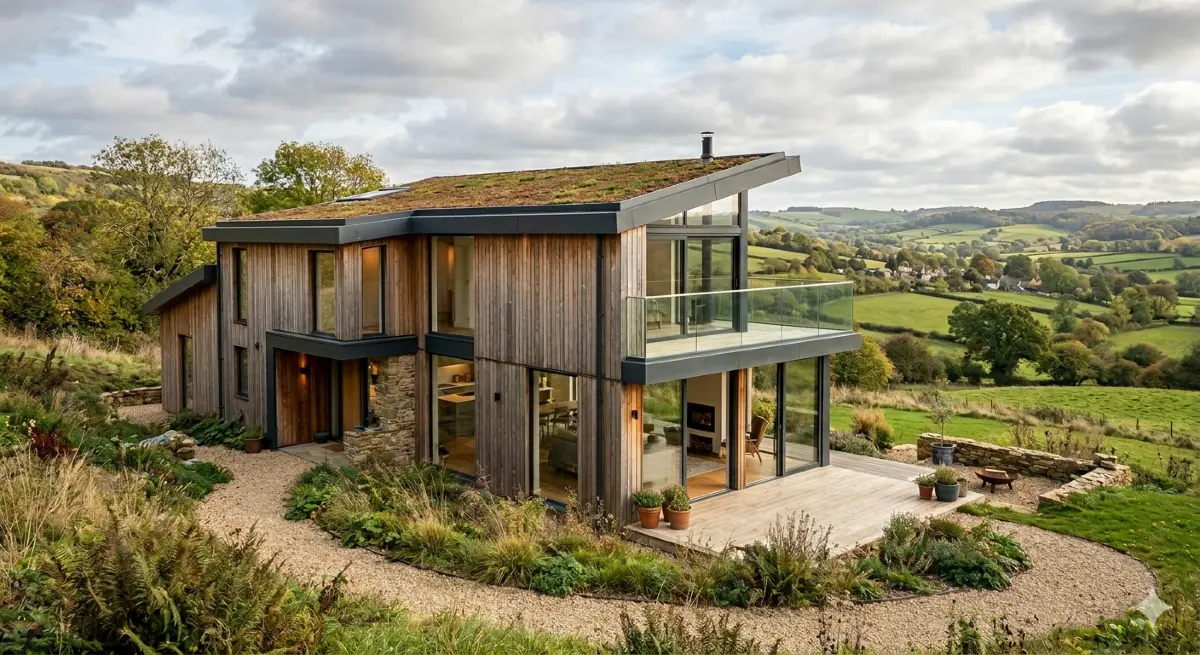
Popular television programmes such as Grand Designs have widely publicised the idea of building striking architectural homes in rural locations. These types of projects are often associated with Paragraph 84 of the National Planning Policy Framework (NPPF).
The policy allows new isolated houses in the open countryside, but only if the proposal delivers exceptional design quality and demonstrates a clear improvement to its setting.
In reality, very few proposals are approved. These projects often require years of design development, input from specialist consultants, and significant investment.
In this article, Nigel Taylor, Associate at Taylor Roberts, outlines how Paragraph 84 homes are assessed. His insight draws on years of experience advising on rural planning strategy, including schemes considered under this policy.
What Is Paragraph 84 of the NPPF?
Paragraph 84 (formerly Paragraph 79, and before that Paragraph 55) provides a route to planning permission for rural development where proposals meet exceptional standards.
To qualify, the scheme must:
- Be truly outstanding or innovative
- Reflect the highest standards of architecture
- Significantly enhance its immediate setting
These requirements set a very high bar compared with standard rural housing policies.
How Planning Authorities Assess Paragraph 84 Houses
Councils assess these criteria in detail. Successful schemes need to demonstrate strength across all of them.
1. Architectural Innovation
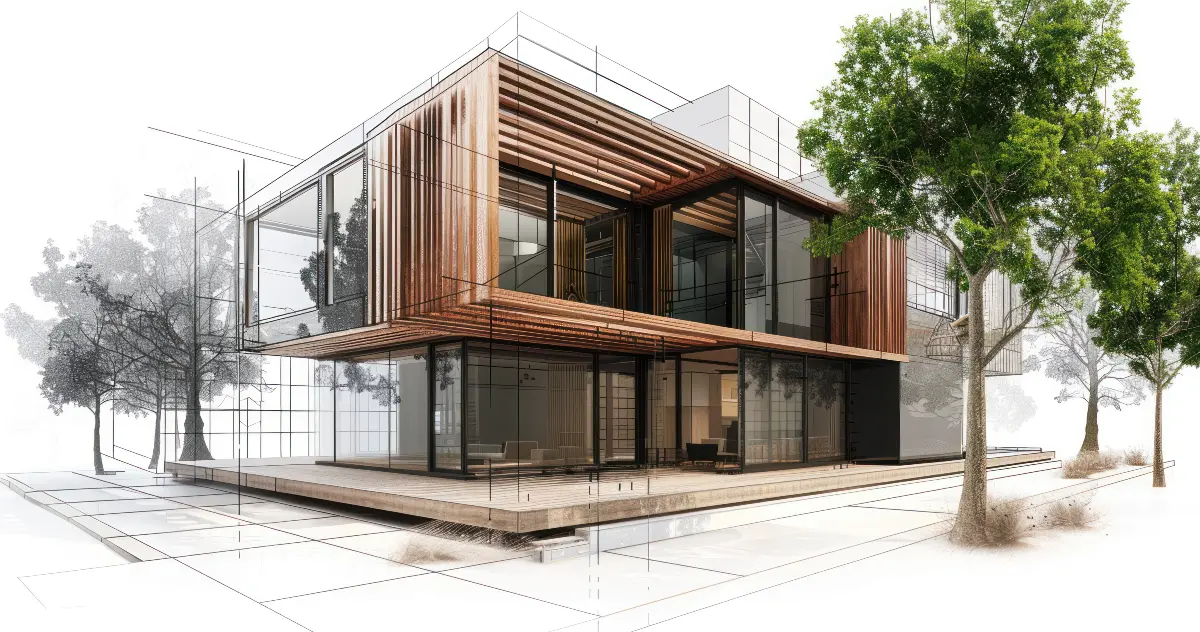
The design must go beyond a well-designed house. Planners look for proposals that take a clearly different approach in how it is designed, built, or shaped by the site.
These may include:
- Unconventional ways of organising the space or structuring the building
- New or alternative construction methods
- Innovative environmental technologies.
For example, the scheme might involve split-level layouts that follow the slope of the land, structural systems that allow unusual building shapes, low-impact foundations, or advanced insulation and airtightness systems.
2. Landscape Enhancement
The proposal must enhance the surrounding landscape, not simply avoid harm, to justify the home’s location in the open countryside.
Planners consider:
- Landscape character - whether the design responds to local character, including rural patterns, materials, and land use
- Visibility in wider views - how visible the building would be from public viewpoints, roads, and nearby settlements, nd its impact on those views
- Topography and vegetation - how the building sits within the terrain and existing planting, including whether it follows natural contours and integrates with trees, hedgerows, and other landscape features.
For example, this might include setting the building into a slope, retaining existing trees and hedgerows, screening the building with planting, or selecting materials that reflect the local character.
3. Environmental Performance
Successful schemes incorporate advanced sustainability strategies; although sustainability alone is not enough to meet the policy.
These may include:
- Low-impact construction methods
- Advanced energy strategies and building performance
- Integration with the surrounding ecosystem and biodiversity.
For example, proposals might involve installing rainwater collection systems, creating habitats such as wildflower areas or green roofs, or reducing energy use through insulation and building orientation.
Taylor Robert’s Planning Insight
Based on our project experience, landscape enhancement and biodiversity net gain can be decisive in rural planning decisions.
We recently secured approval for two rural homes that were finely balanced in planning terms by showing significant landscape improvements, biodiversity gains, and a clear justification for development.
The Site Matters as Much as the Architecture
Under Paragraph 84, the site's strength and landscape context are just as important as the quality of the architecture. Many sites are not suitable for this type of proposal.
Successful projects typically rely on:
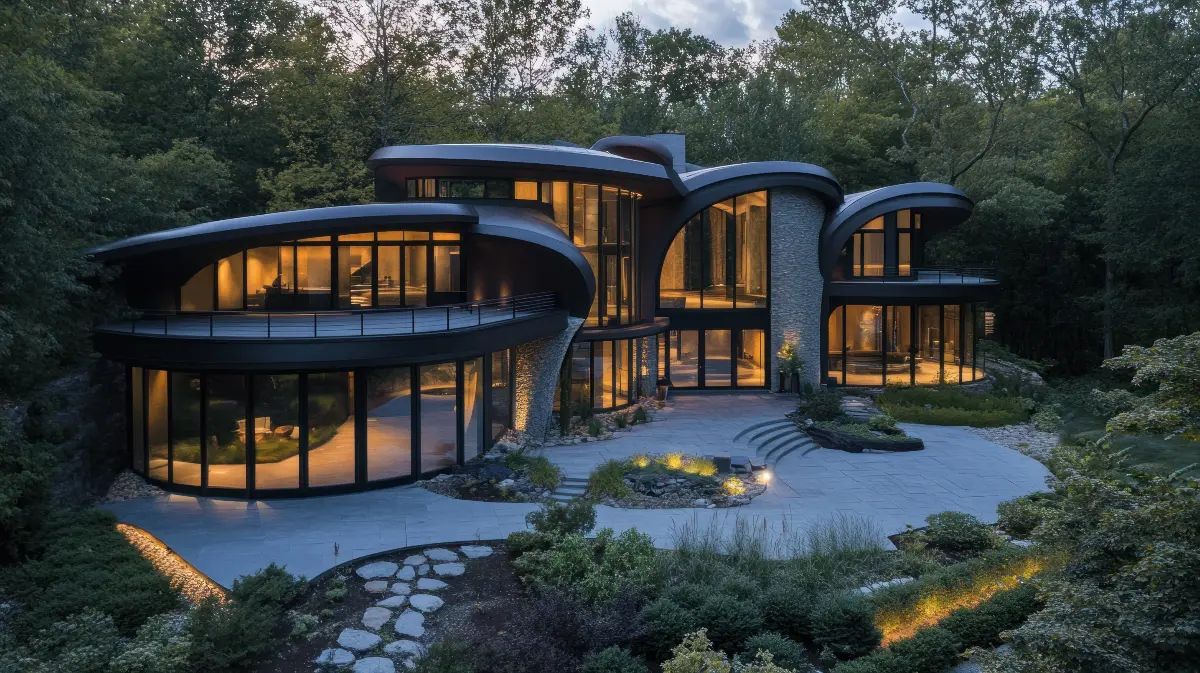
- Larger rural plots with generous space around the building to reduce its visual impact and allow it to sit comfortably within the landscape
- Landscapes that can accommodate and sustain ecological improvements, including biodiversity net gain and habitat creation
- Locations where the design clearly enhances the setting, so it integrates with the land rather than sitting prominently on top of it.
Why Paragraph 84 Houses Are Rare
Despite the strong media interest in Paragraph 84 houses, successful approvals are uncommon. Most schemes are well designed, but the bar is very high, and many proposals fall short.
Some projects succeed only on appeal, which can add significant time and cost, with no guarantee of success.
Typical challenges include:
- Proving genuine architectural innovation - delivering something clearly new or unusual
- Demonstrating measurable landscape enhancement - providing evidence-based improvements, such as biodiversity net gains
- Securing support from design review panels and planning authorities - responding to close scrutiny from multiple parties, often with different views
- Managing cost, time, and complexity - working through a long planning process with several rounds of revisions.
For these reasons, Paragraph 84 is one of the most challenging routes within the planning system.
The Cost and Time Commitment
If you’re considering this route, it’s important you understand the level of commitment involved.
Paragraph 84 proposals are not straightforward planning applications and usually require a significant investment of time and resources.
A typical submission can involve:
- Specialist planning consultants
- Landscape and visual impact assessments
- Detailed architectural research and design development
- Input from design review panels, usually funded by the applicant.
Professional fees alone can reach six figures, and the planning process can take several years.
When It Makes Sense to Consider a Paragraph 84 Proposal
This approach may be worth considering where:
- You already own a suitable rural site that can support the proposal and its wider landscape strategy
- Your budget allows for a long and complex planning process, including specialist consultants and multiple design iterations
- The project aims to create a genuinely ambitious or research-led building, rather than a conventional house.
Even in these cases, you should assess the site and planning strategy with input from planners, architects, and other specialists before applying.
More Achievable Routes to Gaining Approval for Rural Homes
At Taylor Roberts, we advise clients to approach Paragraph 84 proposals cautiously.
These proposals face close scrutiny, and in many cases, other planning routes are a more realistic way to secure permission for a rural home.
Common alternatives include:
Development Within Or Adjacent To Villages
Local Plans often identify villages where some housing growth is possible. Planners usually allow new homes within village boundaries or on small sites at the edge of a village where the development meets local needs and fits the area’s character.
Conversion Of Existing Agricultural Buildings
Redundant farm buildings can sometimes be converted into homes. In England, this is often done through Class Q permitted development rights. These allow some agricultural buildings to change to residential use without full planning permission, as long as applicants meet certain conditions and obtain prior approval.
Replacement Dwellings
Planning authorities often support replacing an existing rural home with a new one where the proposal improves design quality, energy performance, or its relationship with the landscape.
Rural Exception Or Infill Policies
Some Local Plans allow rural development in situations that would not normally be permitted. This includes infill sites (small gaps between existing buildings) or schemes that meet local housing needs.
In many cases, these routes are a more realistic and achievable option than a Paragraph 84 proposal.
Planning Advice for Rural Development
With over 20 years’ experience advising on rural sites, Taylor Roberts help clients understand which planning routes are most likely to succeed before design work begins.
This planning-led approach has helped us secure successful outcomes across a wide range of rural development projects, including Paragraph 84 houses.
If you are considering building a new home in the countryside, we can help. We are based in Canterbury and Tunbridge Wells and work on projects across Kent and the South East.
As part of The Latchmere House Partnership, we work alongside architects, engineers, interior designers, surveyors, and property specialists to support your project through every stage.
Call 01227 457 545 or email enquiries@taylorroberts.co.uk to discuss your site or proposal.
Contact our team today for expert property advice - book now for free.
Architectural Insights
Insights, updates and ideas from the studio - here’s what we’ve been writing about lately.