How To Choose A Rural Plot: What To Check Before Buying Land
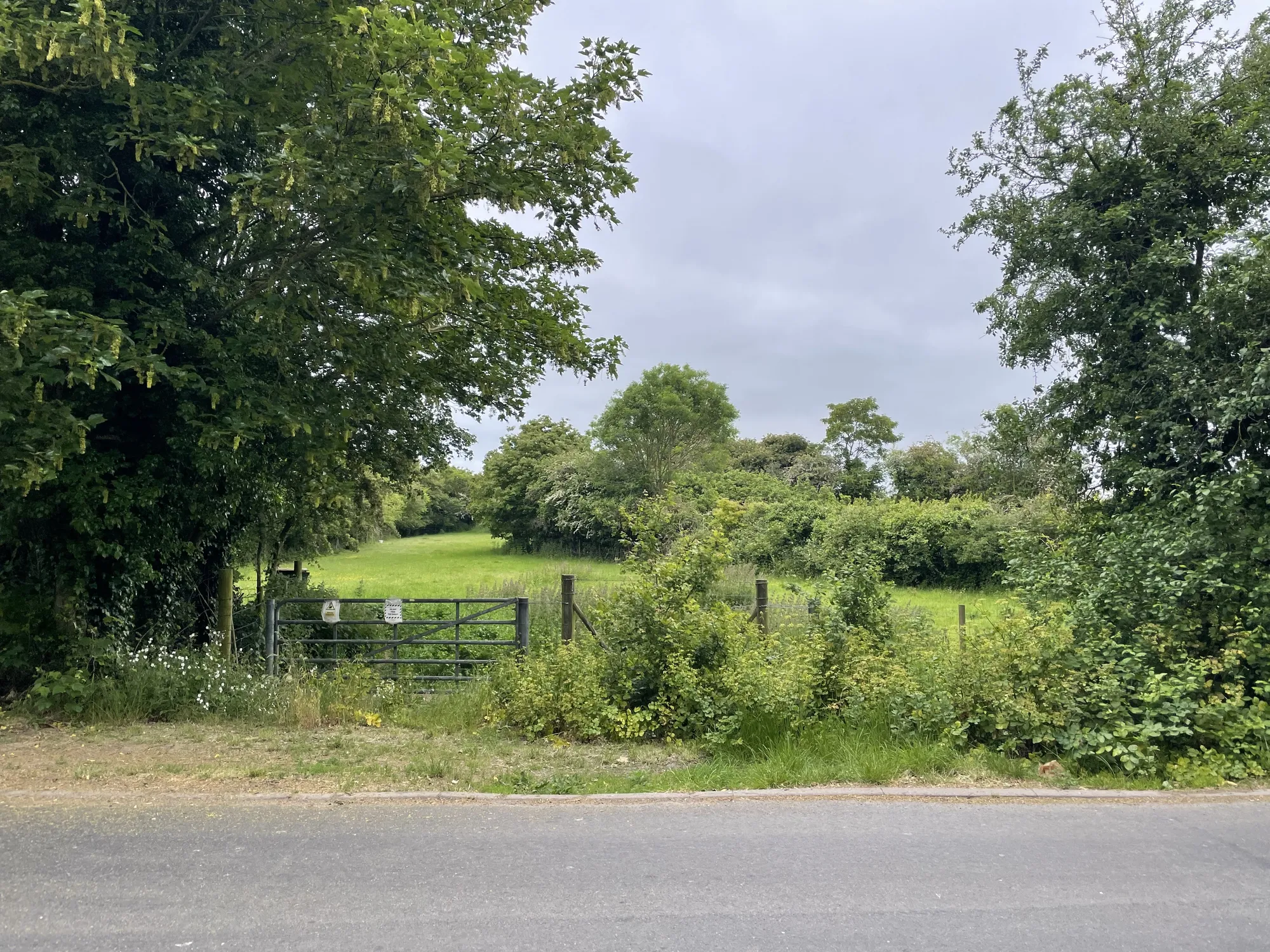
Buying rural land can help turn the idea of a bespoke home in the countryside into reality.
However, rural plots are often subject to planning, infrastructure, and environmental constraints, and gaining planning permission can be challenging.
Understanding these factors early helps you judge whether a site has real development potential and avoid buying land that can’t realistically be developed.
Before committing to a rural plot, it’s worth speaking with an architect or planning consultant, who can assess the site and highlight any risks or constraints.
What Is A Rural Plot?
A rural plot is land located outside defined settlement boundaries, often in the open countryside. Settlement boundaries are the lines used by local planning authorities to define where towns and villages begin and end.
Rural plots are usually agricultural, equine, or otherwise undeveloped and are not automatically suitable for residential development.
Rural plots may include:
- Agricultural fields
- Paddocks
- Edge-of-village land
- Stables and horse grazing land
- Disused farm sites or barns.
Most rural plots are classified as agricultural or greenfield land, so development is usually more restricted.
Can You Build On Agricultural Land In The UK?
New housing is usually restricted on agricultural land.
The Local Plan sets out where development is allowed, while settlement boundaries often limit new housing in the countryside.
As a result, planning permission is usually required for a change of use or any new build on agricultural land.
Some types of rural development may still be allowed in the countryside, including:
- Barn conversions (Class Q permitted development)
- Rural exception sites
- Redevelopment of existing buildings
- Paragraph 84 homes.
Can I Build On My Own Land In The UK?
Owning land does not automatically give you the right to build on it.
In most cases, you will still need planning permission, depending on how the land is classified and what local planning policy allows.
Even where development is possible, the building may need to fit into the surrounding landscape and reflect the character of the area.
For this reason, it’s worth seeking planning advice before developing your land.
What Increases The Chances Of Approval?
While each site is different, some factors can significantly improve the chances of gaining planning permission for rural development.
Two of the most important are:
- The presence of an existing building
Sites with a vacant or redundant structure, especially one previously used for agriculture, are often easier to develop. - Local housing need
Where a local authority cannot demonstrate a five-year housing land supply, planning policies may be applied more flexibly, which can increase the likelihood of approval.
How To Choose A Rural Plot
Before buying rural land, it’s important to check the planning and site conditions that affect whether the land can be developed.
Landscape And Environmental Constraints
Many rural sites fall within protected landscapes or environmental designations such as:
- Green Belt
- Areas of Outstanding Natural Beauty (AONB, Ancient Woodland, or Nationally Designated Landscapes)
- Conservation Areas
- Flood zones
- Protected habitats.
These constraints don’t always prevent development, but they can limit what can be built. In many cases, they affect the design, size, and position of buildings, as well as how much justification is needed.
For example, a site within an AONB may need a more sensitive design, with lower building heights and materials that blend into the landscape, and may need stronger justification to gain approval.
How The Plot Relates To The Surrounding Area
Planning authorities look closely at how a new building would sit within its surroundings.
This includes factors such as:
- How close the plot is to existing buildings or villages
- How visible it is in the landscape
- How it may affect neighbouring properties
- How it relates to nearby historic or listed buildings
- How well it is connected to nearby services, such as schools, public transport, and local shops.
Planning policy usually limits new housing in more remote locations, especially where access to services would rely heavily on car travel. As a result, plots close to existing buildings, villages, or small clusters of development are often more likely to gain approval than isolated sites in the open countryside.
In many cases, how a scheme is designed can make a difference. For example, if a plot sits near a listed property, a design that reflects the surrounding buildings and is modest in size is more likely to be approved.
Access And Highways Considerations
Planning permission requires safe vehicle access. Even if planning policy supports development, poor access can still prevent approval.
When looking at a plot, consider:
- Whether there is an existing entrance from the road
- Whether the road appears narrow or difficult for vehicles to use
- Whether the entrance sits close to bends or blind corners
- Whether the plot has direct access to a public highway.
To meet highway safety requirements, you may need to improve access, for example by increasing visibility, widening an entrance, or creating a new access point.
If a plot has no direct access to the public highway, you may need to secure legal access across neighbouring land.
Services And Infrastructure
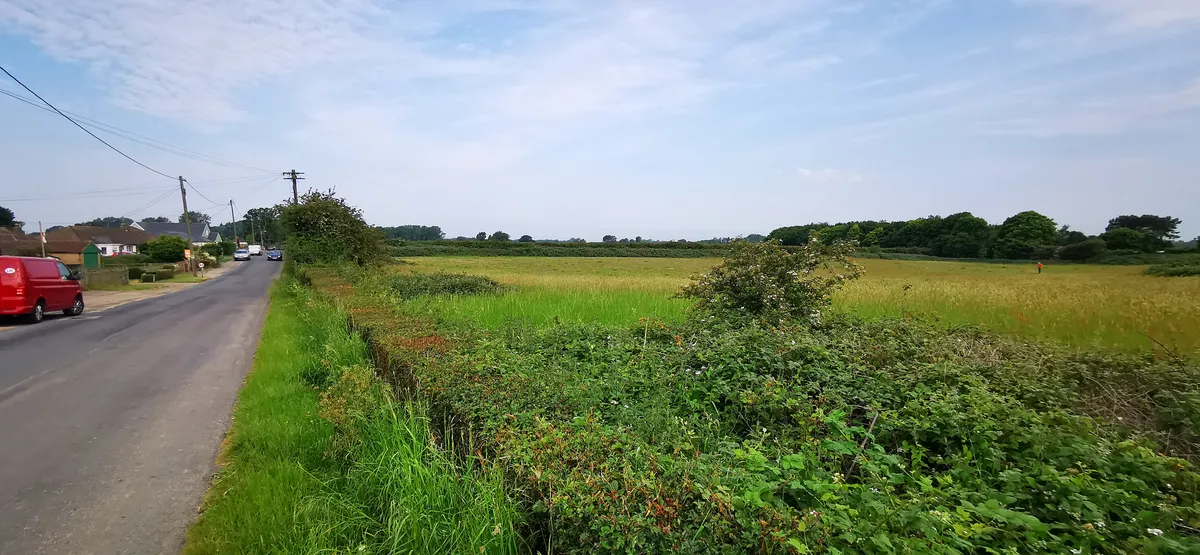
Rural plots may not have access to essential infrastructure, such as water, drainage and sewage, electricity and broadband, as well as suitable road access.
Connecting these services can be expensive, so it’s important to check what is available at an early stage.
When looking at a plot, consider how close existing services are and whether nearby properties are connected.
For example, if there is no mains sewer nearby, the development may need a private drainage system such as a septic tank or treatment plant.
Practical Checks Before Buying A Rural Plot
These quick checks can help you identify potential risks early. However, an architect or planning consultant should still carry out a full planning appraisal before you purchase the land.
Check The Planning History
Looking at the planning history of a site is one of the simplest ways to understand its potential.
1) Find it on the local Planning Portal
Look for the plot on the council’s Planning Portal using the address or map.
2) Review previous applications
Look at past proposals, including any housing schemes or changes of use.
3) Check the decisions
See whether applications were approved or refused, and read the reasons behind those decisions.
4) Identify any constraints
Use this information to work out what issues may affect development.
Previous refusals don’t necessarily mean a site can’t be developed, but they can point to changes that could improve your chances of approval.
Check The Site Boundaries And Ownership
Understand exactly what land is included in the sale.
1) Check the title plan
Confirm the plot boundaries using the title plan from HM Land Registry records.
2) Look for access ownership
See whether access routes are included in the sale or belong to someone else.
3) Check for ownership issues
Look for ransom strips (small pieces of land that may sit between the plot and the road) or shared access rights, as these can affect whether the site can be developed.
Check Ground Conditions And Topography
Ground conditions and site levels can affect how easy and cost-effective it is to build on a plot.
1) Walk the site
Take time to walk around the plot and look at the overall shape and levels of the land.
2) Assess the site conditions
Check for issues such as steep slopes, wet or boggy areas, or areas that may be difficult to access during construction.
3) Consider buildability
Think about how these conditions might affect the build. Sloping land, clay soils, or unstable ground can increase construction costs.
Check Available Services
Understand what services are available nearby.
1) Ask for information
Ask the seller or estate agent whether the plot already has connections for electricity, water, and drainage.
2) Look at nearby properties
Nearby houses can give a good indication of whether mains services are available. When visiting the plot, look for signs such as overhead electricity lines, utility poles, or manholes and drainage covers.
3) Contact utility providers
Contact local utility providers to ask whether connections are available near the site and if there is capacity for a new home.
Consider How The Plot Could Be Laid Out
Think about how a house might fit on the land.
1) Identify access and parking
Consider where a driveway could go, and whether there is space for parking and turning vehicles.
2) Position the house
Think about where the house could sit on the plot, taking into account access, views, and surroundings.
3) Consider the shape of the plot
Look at whether the shape of the plot leaves enough usable space around the building. Narrow or awkwardly shaped plots can make development difficult even if planning policy allows it.
4) Plan for outdoor space
Check whether there is enough space for a garden or outdoor area, and whether the layout would feel comfortable once built.
Why Seeking Early Planning Advice Is Essential
Rural sites can appear attractive, but they often come with planning constraints and site issues that are not obvious at first. Getting advice early can help you understand whether a plot is likely to be suitable before you commit to buying it.
An architect or planning consultant can review the site to identify key factors that may affect development and highlight opportunities to improve your chances of gaining approval.
At Taylor Roberts, we have extensive experience assessing rural plots and advising on development potential across Kent and the South East.
If you’re considering buying rural land for a self-build project, our team can support you through planning and design. Call 01227 457 545 or email us at hello@taylorroberts.co.uk to discuss your project.
Contact our team today for expert property advice - book now for free.
Architectural Insights
Insights, updates and ideas from the studio - here’s what we’ve been writing about lately.