Commercial-to-Residential Conversion: What You Need To Know
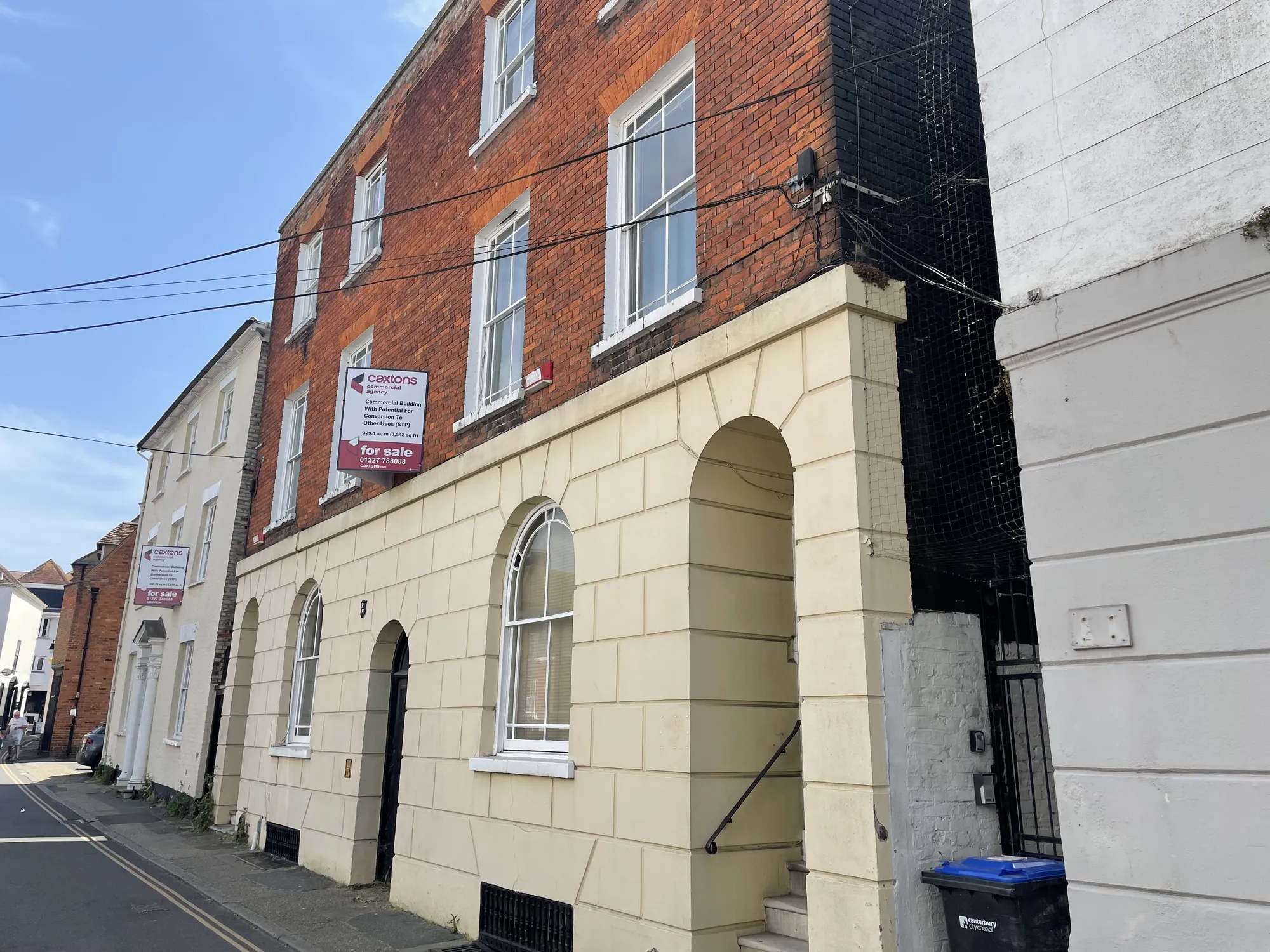
Interest in commercial-to-residential conversions is growing across the UK as rising housing demand, changing working patterns, and underused commercial buildings continue to reshape towns and urban areas.
In some cases, permitted development rights such as Class MA and Class G can provide an alternative route to full planning permission for these types of schemes.
However, commercial-to-residential conversions can involve significant planning, design, technical, and financial challenges. Factors such as fire safety, servicing, natural light, space standards, and local planning restrictions can affect whether a proposal is viable.
In this article, Nigel Taylor, Associate at Taylor Roberts, outlines some of the key considerations linked to commercial-to-residential conversion projects. His insight draws on the practice’s experience advising on schemes across Kent and the South East.
What Is A Commercial To Residential Conversion?
A commercial-to-residential conversion involves repurposing an existing commercial building or space into homes or flats. This can include offices, upper-floor commercial units, and mixed-use buildings.
These types of projects can vary significantly in scale and complexity. Some consist of small upper-floor conversions above shops or commercial premises, while others involve larger office building conversions with multiple flats and extensive refurbishment works.
Commercial-to-residential conversion should not be confused with full redevelopment. In most cases, developers reuse and adapt the existing structure for residential use rather than demolishing and rebuilding it.
Can You Turn a Commercial Property into Residential in The UK?
Many commercial properties and offices can be converted into homes or flats in the UK.
However, the most suitable planning route and the development potential will depend on the building, its location, and local planning constraints.
Is It Easy To Change From Commercial To Residential?
Some projects involving converting commercial space to residential use are relatively straightforward, while others can be far more complex.
In some cases, permitted development rights may allow a conversion without full planning permission.
Two permitted development routes commonly used for commercial-to-residential conversion are Class MA and Class G.
What is Class MA Permitted Development?
Class MA is a permitted development right that can allow certain commercial buildings to change from Use Class E to residential Use Class C3 without full planning permission.
Offices fall within Use Class E, which means some office buildings may qualify for office-to-residential conversion under Class MA permitted development rules.
These rights typically apply to larger commercial buildings or office spaces.
What is Class G Permitted Development?
Class G is a permitted development right that can allow upper floors above shops or commercial premises to be converted into up to two flats without full planning permission.
Class G schemes commonly involve mixed-use high street buildings where commercial uses remain at ground floor level.
These projects often involve additional challenges relating to fire safety, servicing, and shared access with commercial premises.
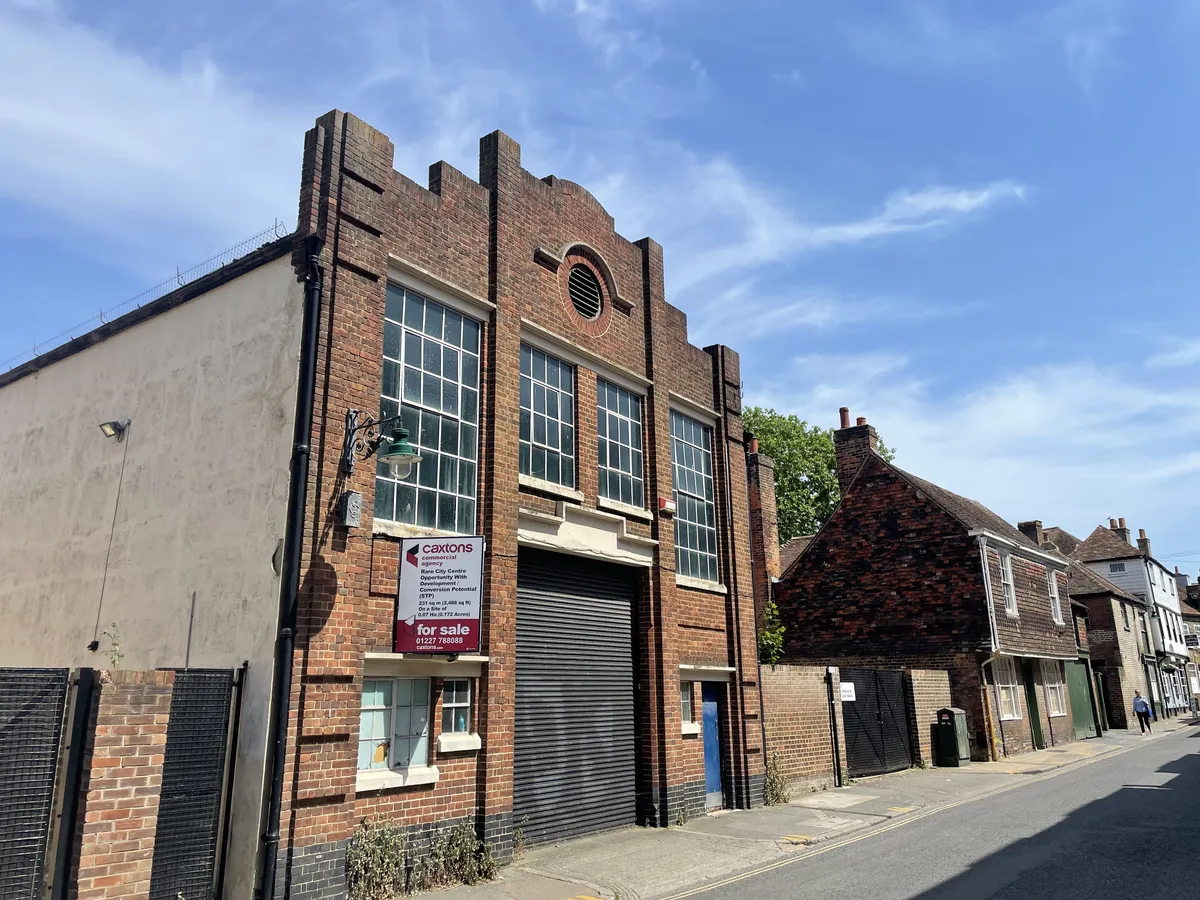
Key Things To Know About Class G And Class MA Permitted Development
Although Class G and Class MA permitted development rights can provide an alternative to full planning permission, proposals are still subject to the prior approval process.
This means Local Authorities will assess key planning considerations before development can proceed.
Permitted development rights also do not apply in every situation. Factors such as Article 4 Directions, listed buildings, mixed-use constraints, and local planning policies can affect whether a building qualifies for conversion.
For this reason, it is important to check whether a site qualifies for permitted development rights before purchasing or progressing a scheme.
When Planning Permission May Be Required
A commercial or office-to-residential conversion might require planning permission in situations involving:
- Article 4 Directions, where Local Authorities remove permitted development rights in specific areas - often in town centres and business districts - to retain commercial uses and employment space
- Listed buildings, where listed building consent and additional heritage requirements apply
- Conservation areas, where proposals may face tighter design and heritage controls, especially for external alterations, façade changes, or extensions
- Mixed-use buildings with shared access, fire strategy, servicing, or operational constraints
- Restricted or non-qualifying sites that do not benefit from Class MA or Class G permitted development rights
- Properties within protected landscapes such as National Landscapes (formerly AONBs), National Parks, The Broads, or World Heritage Sites.
What Is Prior Approval?
Prior approval is the process Local Authorities use to assess specific planning matters under permitted development rights before a conversion scheme can proceed.
Rather than reconsidering the overall principle of residential use, planners focus on specific planning impacts.
Depending on the proposal and location, councils assess factors such as:
- Traffic, parking, and access impacts
- Flood risk
- Contamination risks
- Noise from surrounding commercial uses
- Adequate natural light in living spaces
- Impact on nearby businesses and commercial premises.
Other site-specific considerations, such as heritage constraints or air quality, may also apply depending on the building and its location.
Prior approval applications can still be refused if the proposal does not satisfy the assessment criteria.
For this reason, it is important to commission an early feasibility assessment to identify planning, design, technical, and financial constraints before investing in a site.
Prior approval is separate from full planning permission and does not remove the need for Building Regulations approval.
Key Design Considerations For Commercial to Residential Conversions
Converting offices to apartments can involve significant design and technical challenges.
Many office buildings and commercial units were not originally designed for residential use, which can create issues relating to space standards, layout, daylight, structural limitations, and access.
Proposals need to balance efficient use of the existing building with the need to create well-designed residential accommodation that provides a suitable living environment for future residents.
Space Standards
Meeting minimum space standards can be difficult in commercial buildings with deep floorplates, low ceilings, and structural limitations.
Natural Light And Layout
Providing natural light, ventilation, privacy, and a comfortable living environment is an important part of any conversion project.
Large floorplates and limited window openings can make it difficult to create well-lit living spaces throughout a building, particularly in larger office or mixed-use developments.
Commercial layouts can also create design challenges.
Long internal corridors, boxy rooms, and limited plumbing or drainage positions can make it difficult to arrange kitchens, bathrooms, and circulation space effectively.
Building Regulations And Technical Constraints
To comply with Building Regulations, commercial-to-residential conversions often require significant technical upgrades and careful coordination between consultants and specialists.
This can include:
- Providing safe fire escape routes, suitable fire separation, and appropriate fire protection measures, especially in mixed-use buildings with shared stairwells and corridors
- Installing upgraded fire protection measures, such as automatic smoke ventilation systems, where required
- Reducing sound transfer between flats and surrounding commercial uses
- Improving insulation and thermal performance to meet modern energy efficiency standards
- Upgrading ventilation, heating, drainage, electrics, and other building services for residential use
- Resolving structural constraints relating to load-bearing walls, floor loading, structural grids, and proposed internal alterations.
Seeking early advice from a fire strategy consultant and a structural engineer can help identify feasibility and compliance issues before a scheme progresses.
Access, Parking, And External Space
Commercial-to-residential projects must provide practical access arrangements and supporting infrastructure for future residents.
This can include meeting local parking standards, providing adequate bin and cycle storage, and incorporating external amenity space, such as gardens, terraces, or communal areas, where possible.
Shared entrances, corridors, and access routes in mixed-use buildings can complicate the layout and operation of a scheme.
Challenges With Converting Commercial Spaces Into Apartments
Converting commercial space to residential use can create challenges around planning, design, technical, and financial challenges, depending on the building and site.
These include:
- Addressing asbestos, contamination, or outdated materials that may require specialist surveys, remediation works, or replacement
- Upgrading utilities, ventilation, access, and other building infrastructure for residential use
- Managing complex drainage and service routes in mixed-use buildings, especially where new services must work around active commercial premises
- Accounting for the cost of Building Regulations compliance, technical improvements, and infrastructure works
- Balancing project costs with the overall viability of the conversion.
Existing building and drainage constraints can sometimes have a major impact on how conversion schemes are planned and implemented.
For example, Taylor Roberts recently delivered the conversion of a post-war council office building into flats. Fortunately, the building had an existing service void floor, as new drainage services could not pass through the trading supermarket below.
Benefits Of Commercial To Residential Conversions
Commercial-to-residential conversions can offer a range of planning, environmental, and development benefits, including:
- Bringing underused or vacant commercial buildings back into use
- Reusing existing buildings rather than demolishing and rebuilding them
- Contributing to the local housing supply
- Making use of existing infrastructure, services, and town centre locations
- Potentially benefitting from permitted development rights such as Class MA or Class G on qualifying sites
- Moving forward more quickly than full redevelopment schemes, in some cases.
Is A Commercial To Residential Conversion Right For Your Site?
Not all commercial buildings are suitable or practical for residential conversion.
Factors such as planning restrictions, fire strategy requirements, drainage and service routes, structural limitations, and overall commercial viability affect whether a conversion scheme is feasible.
Many of these challenges only emerge during detailed planning, design, and feasibility assessments.
Seeking professional advice at an early stage can help identify risks before purchasing a site or progressing a scheme.
At Taylor Roberts, we advise on commercial and office-to-residential projects across Kent and the South East, including planning strategy, feasibility, and development potential.
Call 01227 457 545 or email hello@taylorroberts.co.uk to discuss your site or proposal.
Contact our team today for expert property advice - book now for free.
Architectural Insights
Insights, updates and ideas from the studio - here’s what we’ve been writing about lately.