Key Things to Check Before Buying An Urban Plot
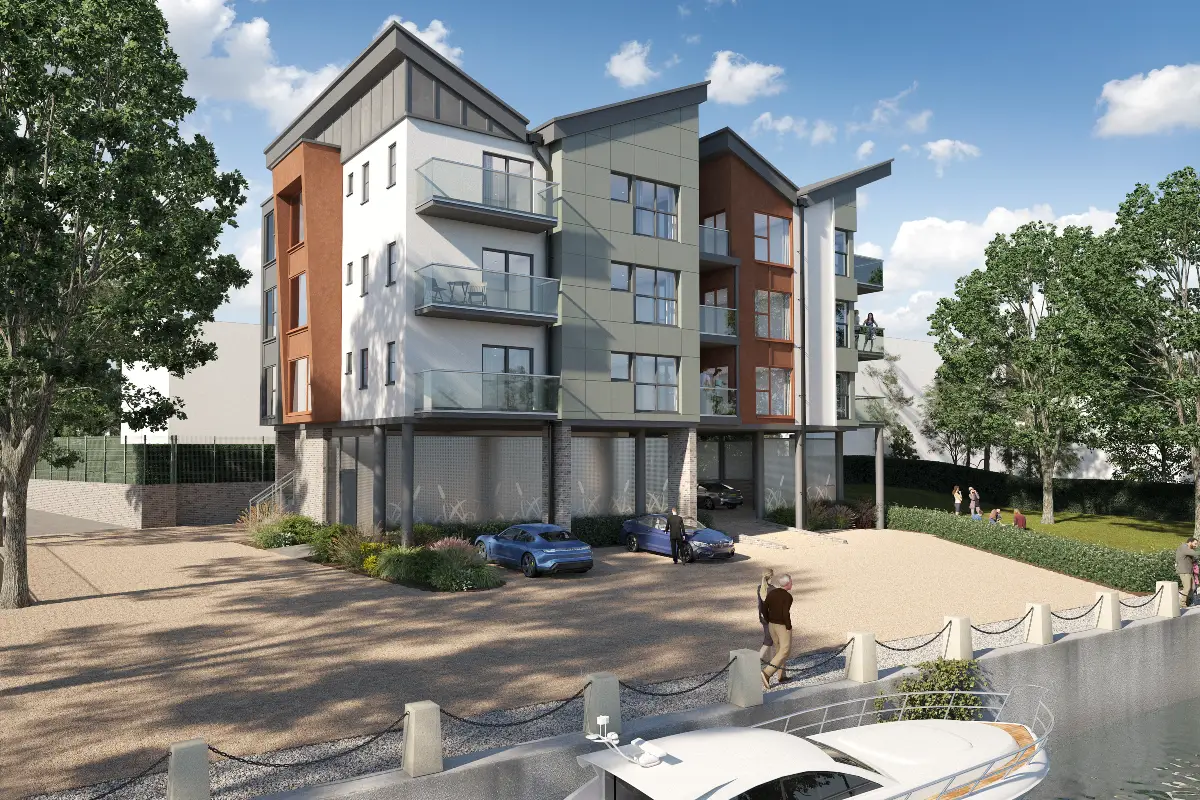
Buying an urban plot can be a great way to build a bespoke home in an existing neighbourhood.
Many urban plots sit in built-up areas where planning policy may already support new housing. However, they can come with complications.
Even if a site looks promising, there may be restrictions. Limited space, surrounding homes, access issues, and design constraints can affect what can realistically be built.
Taking the time to understand these factors early on can help ensure the land for self-build you’re interested in is suitable for your plans.
Before making an offer, it’s worth having an architect or planning consultant assess the site.
What Is An Urban Plot?
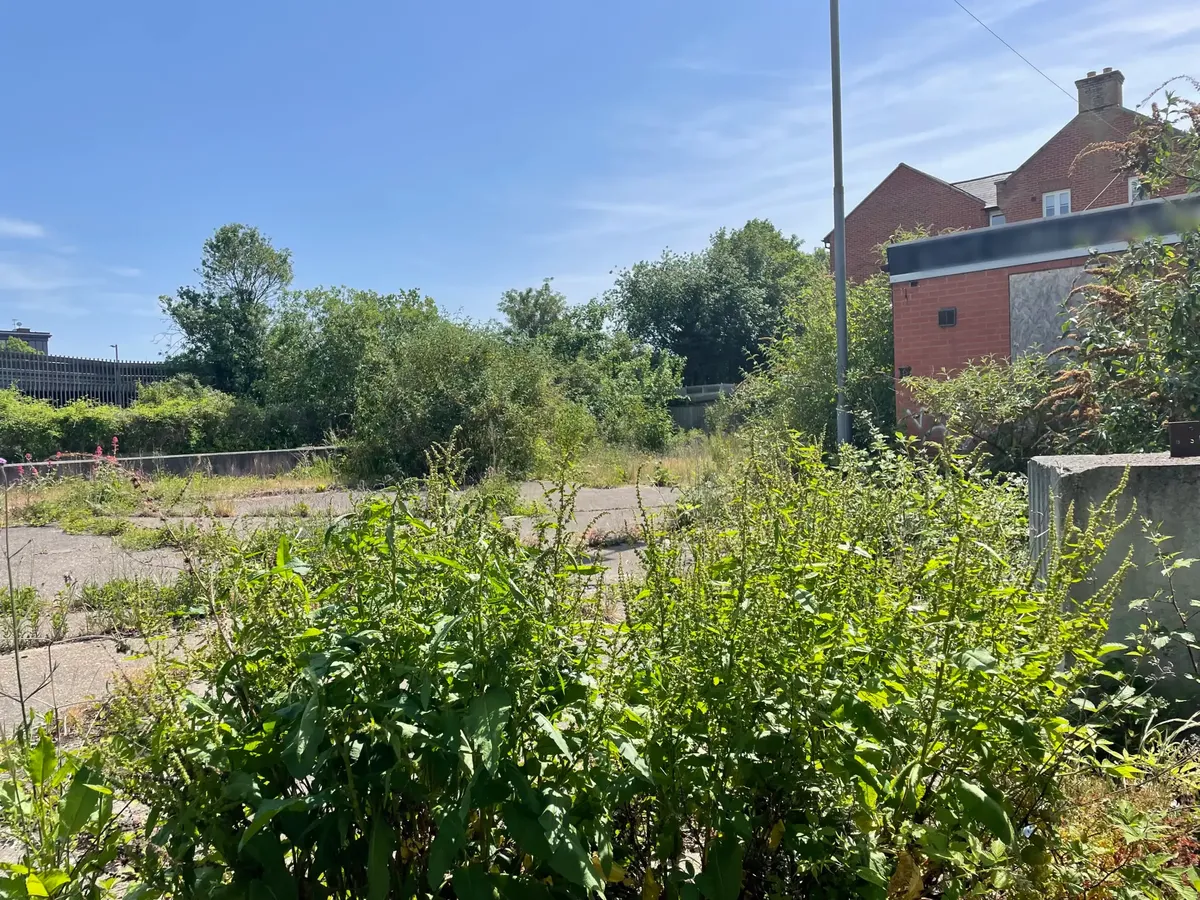
An urban plot is a piece of land located within - or close to - an existing town or village, typically surrounded by other buildings or infrastructure.
These plots often come from land that is already part of the built environment.
Urban plots may include:
- Garden plots created by subdividing larger residential gardens
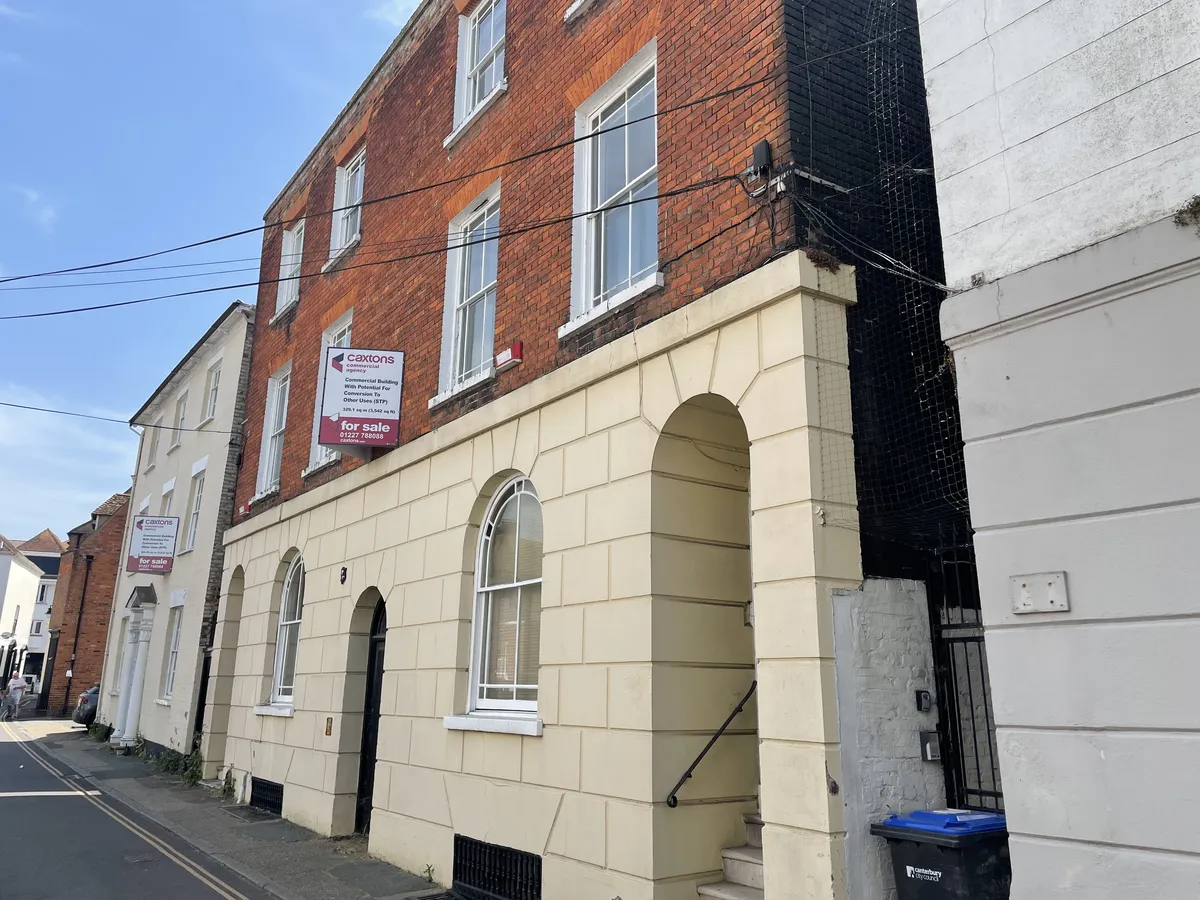
- Infill plots between existing buildings
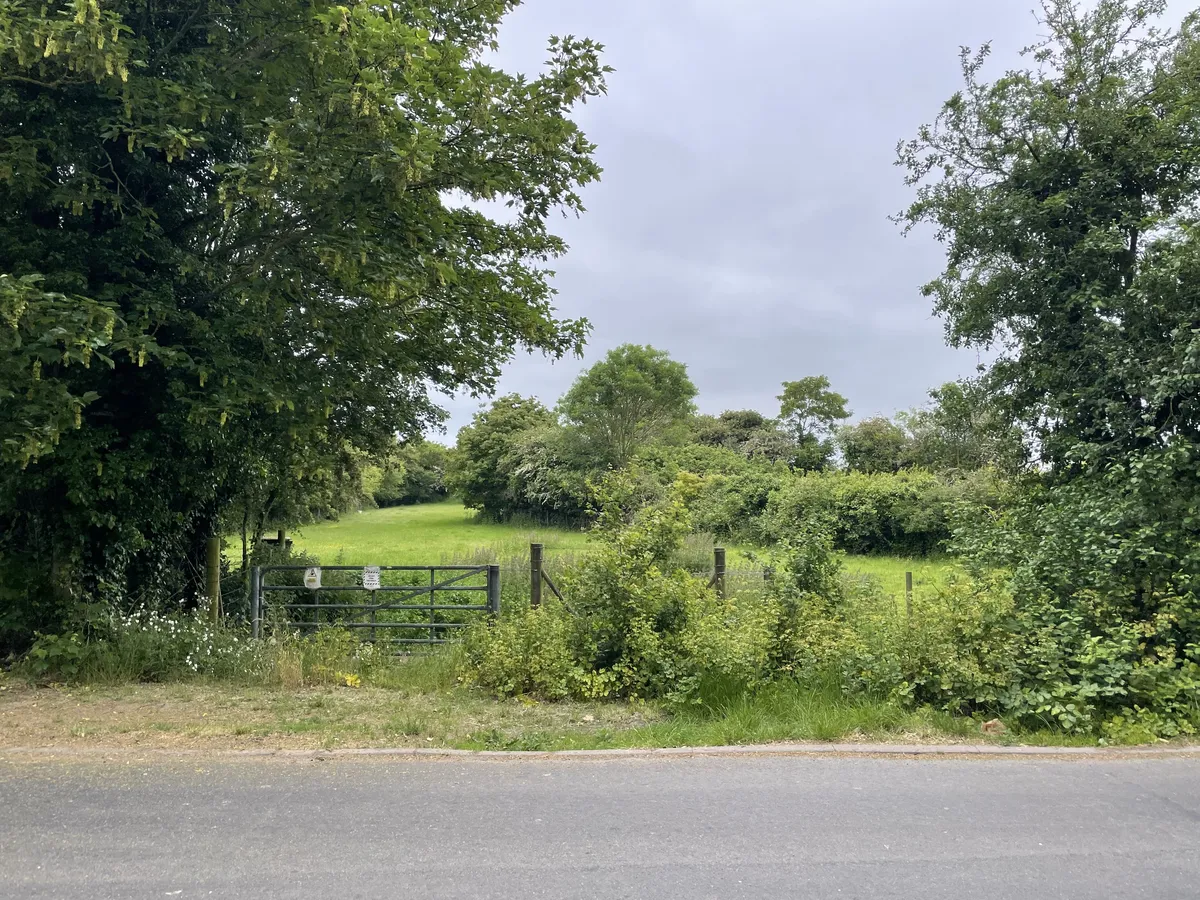
- Small vacant parcels of land
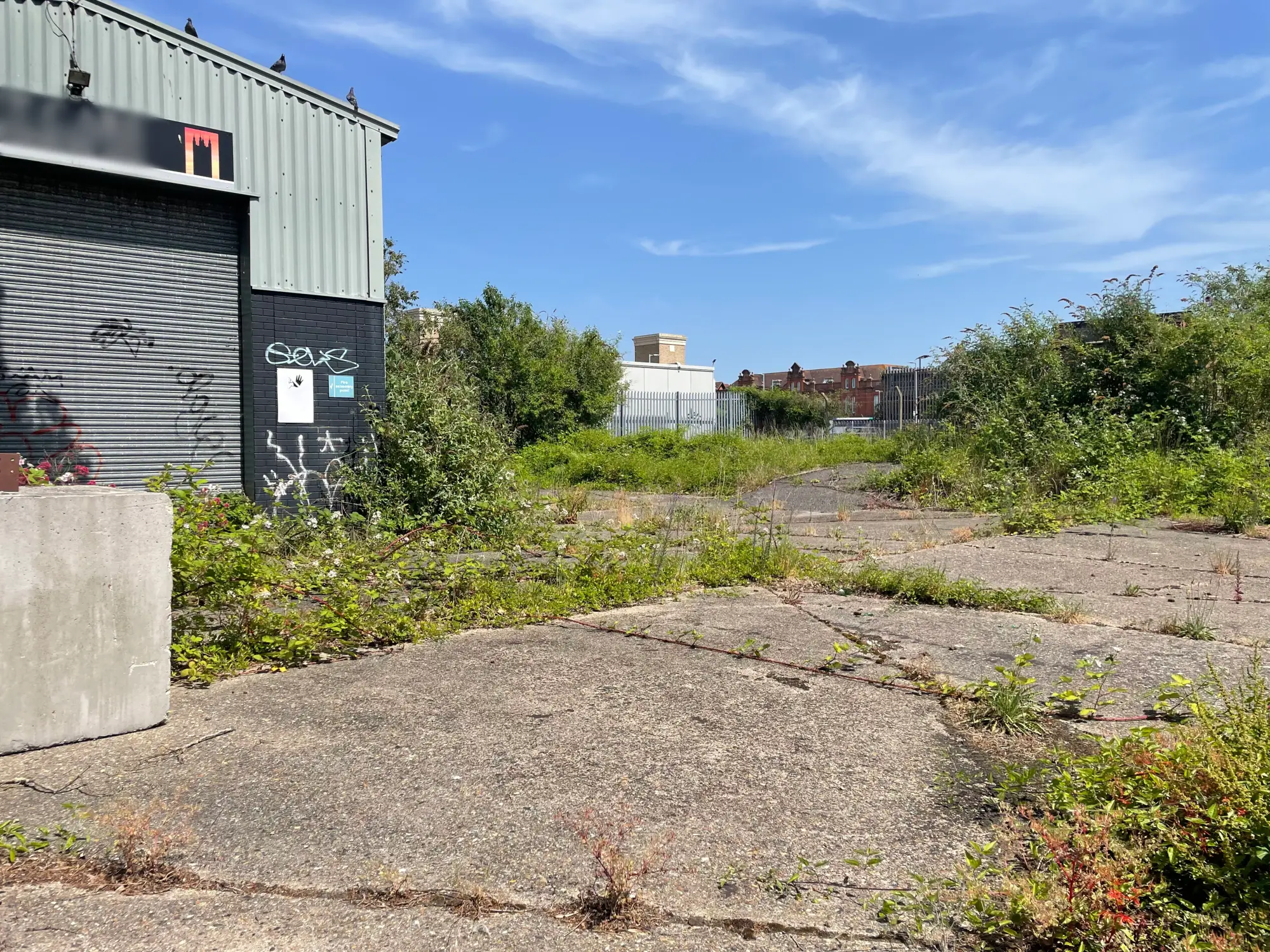
- Brownfield sites (land that has been built on before).
What Is Infill Development?
Infill development refers to building on small sites within existing built-up areas, often between or behind existing properties. Garden plots created by subdividing larger residential gardens are a common example.
Local planning authorities often support this type of development if it uses land well, matches the character of the surrounding area, and doesn’t negatively affect neighbouring properties.
However, infill sites still need to meet planning requirements, especially around design and access.
What Is Brownfield Land?
Brownfield land is land that has been built on before and is now vacant or underused.
This can include:
- Old industrial or commercial sites
- Unused car parks
- Or land where buildings have been demolished.
Planning authorities often encourage redeveloping brownfield land rather than building on undeveloped land.
How To Choose An Urban Plot
Before committing to an urban plot, it’s important to understand the planning and site constraints that may affect what is possible.
How The Plot Fits Into The Surrounding Area
Planning authorities will look closely at how a new building would fit into the surrounding area.
They usually assess:
- The scale and proportions of nearby buildings, including their height, overall size, and spacing
- The position of the plot in relation to the street, particularly whether a new house would follow the established building line or appear out of place
- How the house might affect neighbouring properties.
Even if a site is viable, planners may refuse a design that doesn’t suit the area. For example, if most houses nearby are two storeys with generous gardens and clear spacing between them, building a tall or large building on a tight plot is unlikely to be approved.
Impact On Neighbouring Properties
In urban areas, new development sits close to existing homes, so the impact on neighbouring properties is a key part of the planning assessment.
Planning authorities will look at how a new house might affect the nearby residents’ day-to-day living conditions, including:
- Whether windows or outdoor spaces would overlook neighbouring gardens
- Whether the building could block light or create overshadowing
- Whether the layout might lead to increased noise or disturbance
- The distance between buildings, especially between facing windows.
These factors often shape the council’s response. For example, they may ask for upper-floor windows to be repositioned or designed to avoid direct overlooking.
Access And Highways Considerations
Safe and practical access is a basic requirement for planning approval.
When looking at a piece of land for self-build in an urban area, it’s worth checking how access would work in practice, including:
- Whether the plot already has an access point from the street - as an existing driveway - or would need a new one
- Whether there is enough space for vehicles to enter and leave safely
- Whether the plot has direct access to the public highway or relies on shared access.
Highway authorities will check that access is safe as part of the planning process. If vehicles can’t enter or leave safely, they may request design changes or refuse the proposal.
Services And Infrastructure
Urban plots are more likely to be close to existing services, but this doesn’t always mean connections are straightforward. It’s important to check what is available and what might be needed for a new home.
For example, a new house will often require its own drainage connection to the public sewer.
Practical Checks Before Buying An Urban Plot
These initial checks can reveal potential issues early, but an architect or planning consultant will need to carry out a full planning appraisal before you purchase the plot.
Check The Planning History
Reviewing past applications is an easy way to understand what could be done on a site.
1) Search for the site on the local Planning Portal
Look up the plot on the council’s Planning Portal by entering the address or using the map.
2) Check previous applications
Look at previous plans for the site, including any residential schemes or proposed changes of use.
3) Review the decisions
Check whether previous applications were approved or turned down, and look at the reasons why.
4) Identify potential issues
Use this information to make a note of anything that might prevent or limit development.
A past refusal doesn’t always mean the site can’t be developed, but it can help shape a stronger proposal.
Check The Site Boundaries And Ownership
Make sure you know exactly what land is included in the sale to avoid disputes over boundaries or access rights.
1) Check the official records
Look at the Land Registry title plan to understand exactly where the plot begins and ends.
2) Confirm who owns the access
Check whether access routes, such as a driveway, are part of the property.
3) Watch out for ownership complications
Check whether there are ransom strips (small pieces of land between the plot and the road) or shared access arrangements, as these can limit development.
Check Space For Access, Parking, And Layout
Urban plots often have limited space, so it’s important to think about how a house could realistically fit on the land.
1) Picture how the plot could be used
Try to visualise where the house, driveway, and garden might sit. This helps show whether the plot feels practical or too small.
2) Allow space for access and parking
Check that there is enough room on the site for vehicles to enter, park, and turn safely.
3) Check parking expectations
Local planning authorities often require a set number of parking spaces for new development. If you can’t include these, the proposal may not be approved.
4) Think about usable outdoor space
Look at whether there will be enough usable garden or outdoor space once the house and parking are in place.
5) Check for trees and restrictions
Look out for any trees on the plot. Some may be protected by Tree Preservation Orders (TPOs), which can limit what you can remove or build around and affect where the house can be placed.
Check Available Services
Find out what utilities are available in the area.
1) Confirm existing connections
Ask the seller or estate agent if the plot is already connected to mains services or if new connections will be needed.
2) Contact local providers
Get in touch with local utility providers to ask whether the existing networks can support a new home.
It’s also worth asking them for records that show any constraints on the site, such as underground sewers, which may restrict where you can build.
Consider How The Plot Could Be Designed
Urban plots often need thoughtful design to work well within an existing neighbourhood, so it’s worth considering how you’d like the house to look.
1) Think about how the house would sit
Consider how the building would face the street or nearby buildings, and whether it fits with the layout of surrounding homes.
2) Look at how it relates to neighbours
Think about where windows and outdoor spaces could go, and whether they might overlook or affect neighbouring properties.
3) Check if it fits the area
Consider whether the house you have in mind would suit the character, scale, and style of the area.
Why Seeking Early Planning Advice Is Essential
Constraints on urban plots often only emerge during a detailed assessment, especially around design, access, and neighbouring properties.
Seeking professional advice early can help you understand what limitations you may face before you commit to a building plot that might not work for your plans.
At Taylor Roberts, we have extensive experience assessing urban plots and advising on development potential across Kent and the South East.
If you are considering buying an urban plot for a self-build project, our team can support you through planning and design and help you move forward with confidence. Call 01227 457 545 or email us at hello@taylorroberts.co.uk to discuss your project.
Contact our team today for expert property advice - book now for free.
Architectural Insights
Insights, updates and ideas from the studio - here’s what we’ve been writing about lately.